Most spirit animal lists read like a field guide crossed with a fortune cookie: one animal, one tidy word — wolf equals loyalty, owl equals wisdom. In my work as a shamanic practitioner, that is almost never how these guides actually arrive. A spirit animal does not hand you a keyword. It shows up in a journey, in a dream, or at the edge of an ordinary day, and it behaves like itself — hunting, hiding, circling, waiting. The meaning lives in the behaviour, not in the label.
This is a spirit animal list built to be read that way. Below you will find the animals people meet most often and what each one tends to carry — but more importantly, you will learn how to read any animal that comes to you, including one that is not on this page. This is about meaning, not biology. If you came to learn what a fox looks like, you are in the wrong place. If you came because a fox keeps appearing, stay.
How to Read a Spirit Animal List Without Flattening It
A single keyword is a doorway, not a room. When an animal appears, the useful questions are behavioural: How is it moving? What is it doing when you notice it? Is it approaching, retreating, watching, feeding, or blocking your path? The same animal carries a different message depending on what it does. A wolf running with a pack speaks of belonging; a wolf watching you alone from the treeline speaks of the part of you that has left the pack on purpose.
So use the list below as a first orientation, then let the animal correct you. When people journey to a guide for the first time, they often expect a message in words. What they usually get is a gesture — the animal turns its head, refuses to come closer, leads them somewhere. The most common mistake I see is people forcing a dictionary meaning onto an encounter that was trying to tell them something more specific.
The Spirit Animal List: Common Guides and What They Carry
Each entry below pairs the animal’s real nature with the message it tends to bring. Read the bold as the headline and the sentence after it as the behaviour that earns the meaning — because an animal’s medicine always grows out of how it actually lives.
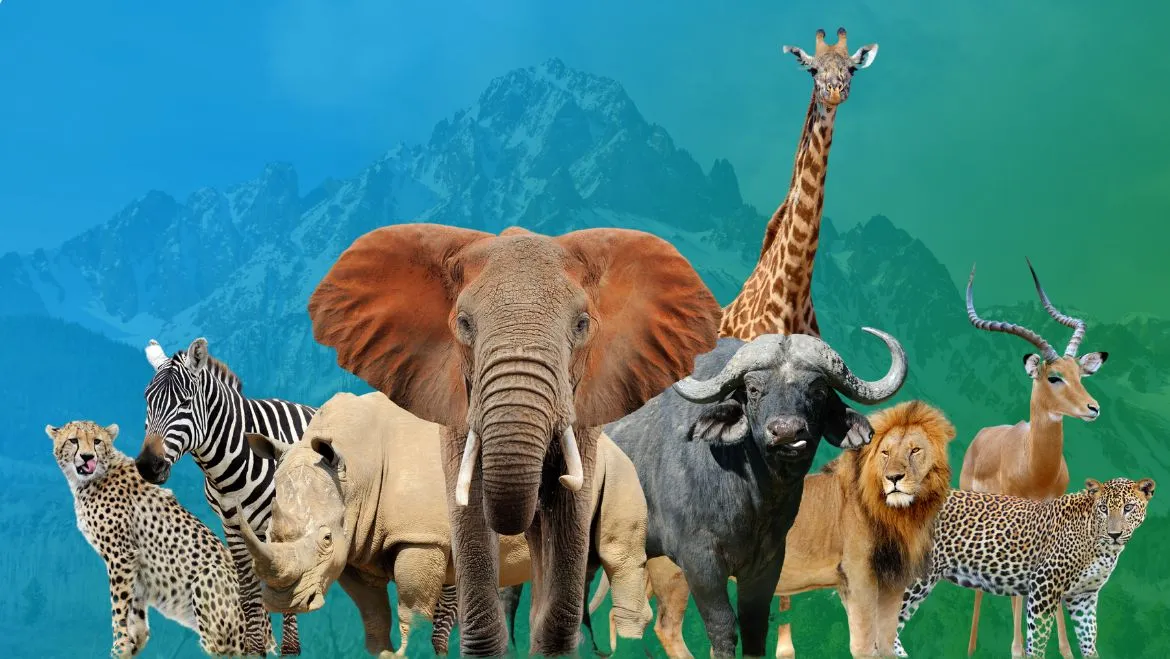
- Wolf — belonging and boundaries. Lives by the pack yet ranges alone; asks where you owe loyalty and where you have merged too far into others.
- Bear — retreat and strength. Withdraws to hibernate before it is powerful again; asks whether your exhaustion is failure or a season of necessary rest.
- Eagle — altitude and perspective. Sees the whole valley from above; asks you to stop reacting to the detail in front of you and look at the shape of the whole thing.
- Fox — indirect intelligence. Hunts by hearing and scent, reading what the eye cannot; arrives for people trying to force a direct solution to an indirect problem.
- Deer — gentleness that is not weakness. Stays alert and soft at once; asks you to meet something hard without armouring over.
- Owl — seeing in the dark. Hunts where others are blind; asks you to trust what you already sense but have not let yourself name.
- Hawk — focus and the message. Holds still on the wind, then commits; often appears when something is trying to get your attention and you keep looking away.
- Horse — freedom and partnership. Powerful and willing, but only with those it trusts; asks where you confuse control with connection.
- Snake — shedding. Grows only by leaving its old skin behind; arrives when something in your life has already ended and you are still wearing it.
- Butterfly — transformation with a hidden stage. Dissolves entirely inside the cocoon before it re-forms; asks you to trust a middle phase that looks like nothing is happening.
- Raven — the threshold. Moves between worlds and feeds on endings; asks you to look directly at what most people avoid.
- Rabbit — alertness and fertility. Freezes before it runs; asks whether your caution is protecting you or running your life.
- Spider — creation and pattern. Builds the web it then lives inside; asks whether the structure you built is holding you up or trapping you.
- Turtle — pace and protection. Carries its home and refuses to be hurried; asks you to slow to the speed at which you can actually feel your life.
- Lion — dignity and voice. Rests in the open, unhidden; asks whether you are shrinking to keep others comfortable.
- Dolphin — breath and play. Must surface to breathe on purpose; asks you to treat joy and rest as survival, not reward.
- Crow — intelligence and reckoning. Remembers faces and holds grudges; asks you to be honest about what you already know.
- Elephant — memory and the herd. Grieves, remembers, and moves as a family; asks who you carry and who carries you.
- Frog — cleansing and threshold water. Lives between water and land; arrives when an emotional cycle is ready to be released.
- Panther — reclaimed power. Moves unseen and unhurried in the dark; asks you to take back a strength you have been taught to hide.
If your animal is not here, that is not a gap — it is an invitation. A full A–Z guide to spirit animals covers many more, and the reading method above works on all of them: watch the behaviour, then ask what part of your life moves the same way.
The Shadow Side of the List
Every entry above has a second face, and a spirit animal list that only shows the bright one is doing you a disservice. The gift and the trap are the same trait seen from different angles. The wolf’s loyalty becomes a cage when you stay loyal to people or beliefs that have stopped being true. The owl’s night vision curdles into rumination when you see everyone’s shadow but your own. The bear’s rest becomes avoidance when the hibernation never ends and the withdrawal becomes a hiding place.
When an animal appears threatening in a journey or turns up in a recurring nightmare, it is usually not warning you against itself — it is showing you where its medicine has gone wrong in you. A snake that frightens you may be pointing at a shedding you keep refusing. A circling fox may be the cleverness you have turned into self-deception. Read the fear as information, not as a verdict.
A Simple Practice for Working With Any Animal on This List
You do not need a drum circle to begin. This is a short journey you can do at home, and it works whether your guide is on this list or not.
- Settle. Sit or lie down somewhere you will not be disturbed. Let your breathing slow until the exhale is longer than the inhale.
- Descend. Picture a place in nature you know, and find an opening downward — a hollow tree, a cave mouth, roots parting. Go down until you reach open ground.
- Invite, do not summon. Say silently that you are open to meeting a guide. Then wait. Notice which animal comes — and notice how it behaves rather than only which one it is.
- Ask one question. Keep it simple: What do you want me to see? The answer may be an image, a movement, or a wordless knowing. Do not argue with it.
- Return and record. Come back up the way you came, then write down the behaviour before you interpret it. The interpretation can wait; the raw gesture is the data.
If you are not sure who your guide is yet, a structured approach helps. This step-by-step guide to finding your spirit animal walks through it slowly, and the Path of the Paws oracle deck is a gentler entry point if journeying feels like a lot right now.
Frequently Asked Questions
Can I have more than one spirit animal?
Yes, and most people do. In my experience there is often one guide that stays across years and several others that arrive for a particular season or task. A new animal appearing does not replace the last one — it usually means the work has changed. Pay attention to which one shows up when, rather than trying to crown a single “true” animal.
What does it mean when a spirit animal keeps appearing?
Repetition is emphasis. When the same animal turns up in dreams, in the physical world, and in journeys within a short span, it usually means a message has not yet landed. Ask what part of your life mirrors the animal’s behaviour. The appearances often stop once you actually act on what it was showing you.
Is a spirit animal the same as a totem or power animal?
The words overlap and are often used interchangeably, but they carry slightly different weight. “Totem” traditionally belongs to specific Indigenous kinship systems and is best used with respect for those cultures. “Power animal” is the term most common in core shamanic practice for a guide whose strength you can draw on. “Spirit animal” is the broad, everyday term. What matters more than the label is the relationship.
What if my spirit animal is a common or “unimpressive” one?
A pigeon, a mouse, or a moth carries as much medicine as a wolf or an eagle — sometimes more, because it asks you to look past status. Guides tend to arrive as exactly the teacher you need, not the one you would have chosen. If you feel disappointed by your animal, that reaction is often the first thing it came to work on.
Whichever guide is walking with you now, treat this list as a beginning rather than a verdict. The animals are patient. Learn to read the behaviour, and the whole list opens up. When you are ready to go deeper, the four-week spirit animal course teaches the journeying method in full.