People come to spirit-animal work expecting a label and leave with a relationship. That is the first thing worth saying plainly. When an animal guide actually arrives — on a journey, in a dream, or through the strange persistence of the same creature turning up in your life — it does not feel like a personality-quiz result. It feels like being met. In more than two decades of guiding people through this work, the moment I watch for is not the naming of the animal but the change in someone’s face when they realise the animal has been aware of them far longer than they have been aware of it.
This guide is about spirit animals and their meanings — what animal guides actually are, how the different traditions name them, how to tell a genuine encounter from wishful thinking, and how to meet yours honestly rather than choosing one because you like it. If you came for a list of flattering traits, most of the internet will oblige. This is the more useful, and more demanding, version.
What People Mean by Spirit Animal, Totem, and Power Animal
These three words are used interchangeably online, and the blurring loses something real. They come from different places and point at different relationships.
- Spirit animal. In the loosest modern usage, a spirit animal is an animal whose qualities mirror or guide your inner life at a given time. It can change across a life. It is personal and relational rather than inherited.
- Totem animal. A totem, in its original and precise sense, belongs to indigenous kinship systems — it marks a clan, a lineage, a people, not an individual mood. It carries obligations and ancestry. Using totem loosely to mean my favourite animal flattens a living cultural institution, and it is worth using the word with care, and with acknowledgement of whose it is.
- Power animal. In core shamanism, a power animal is a guardian spirit met in the lower world that lends its protection and vitality to a person, often recovered in healing work when someone has lost energy or heart. It is less about symbolism and more about a felt source of strength.
Naming these apart is not pedantry — it changes what you do. A spirit animal you reflect on; a totem you inherit and honour; a power animal you journey to and work with.
How a Spirit Animal Actually Shows Up
In practice, guides announce themselves in a handful of recognisable ways, and it is the persistence, not the drama, that matters.
- Repetition without invitation. The same animal keeps appearing — in waking life, in art, in conversation, at the corner of your attention — and you did not go looking for it.
- Dreams that do not fade. Most dreams dissolve by breakfast. A guide’s dream stays, and often recurs, carrying a charge out of proportion to its content.
- The pull toward one creature. A lifelong, unexplained fascination with a particular animal is often a relationship that predates your ability to name it.
- The journey. In shamanic journeying you can travel with intention to meet a guide directly. This is the most deliberate route and the one I teach; you can read what the practice involves in the guide to shamanic journeying.
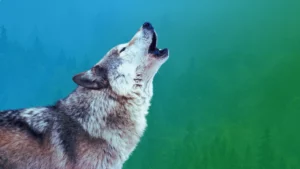
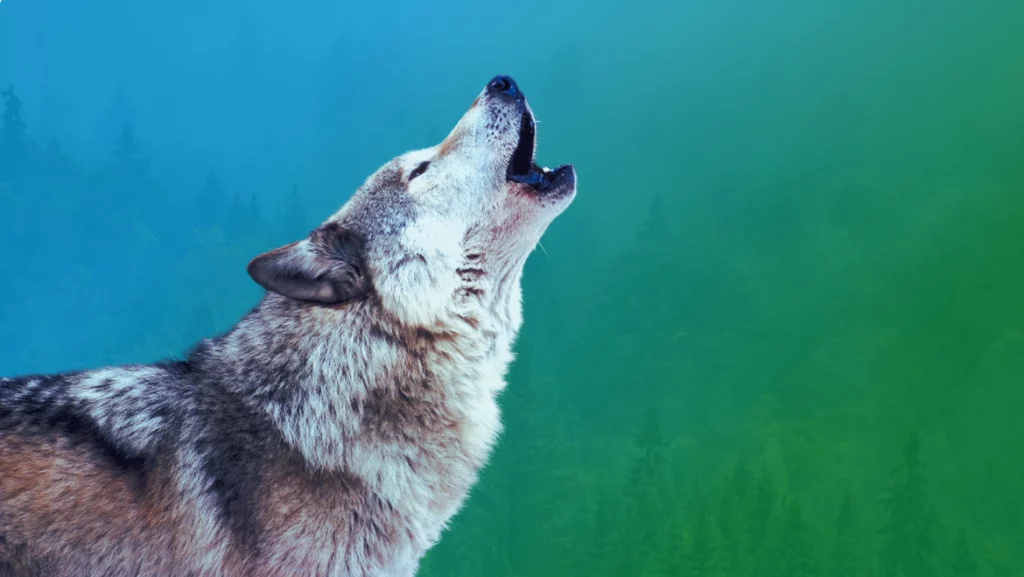
What none of these look like is choosing. The most common mistake is picking the wolf because you admire wolves. A real guide is frequently the animal you would not have chosen, arriving with a lesson you did not order.
How to Find Your Spirit Animal
Shamanic work is not a substitute for medical or psychological care. With that said, here is the process I actually walk people through.
- Stop choosing and start noticing. For two weeks, keep a simple log of which animals cross your path — literally, in media, in dreams. Do not curate. Patterns emerge that the wishing mind would have overruled.
- Ask a precise question. Not who is my spirit animal but which guide is with me for what I am facing now. Specificity turns a vague longing into a real meeting.
- Journey or meditate to meet it. Settle, drop into a natural landscape in your mind, state your intention, and let an animal come. Ask it three times whether it is here for your good.
- Test the relationship over time. A true guide keeps showing up and keeps being useful, especially when it is inconvenient. A costume falls away within weeks.
- Work with it, do not just admire it. Read its real behaviour, sit with its shadow, and let it change one concrete thing in how you live.
For a fuller walkthrough, follow the step-by-step guide to finding your spirit animal, and to let a guide find you rather than the other way round, sit with the Path of the Paws oracle deck.
The Shadow: What the Spirit-Animal Trend Gets Wrong
A practice this popular develops a shadow, and naming it is part of doing the work honestly.
- The personality box. Treating your animal as a fixed identity — I’m a lone wolf, so I can’t help being distant — turns a living relationship into an excuse. A guide is an assignment, not an alibi.
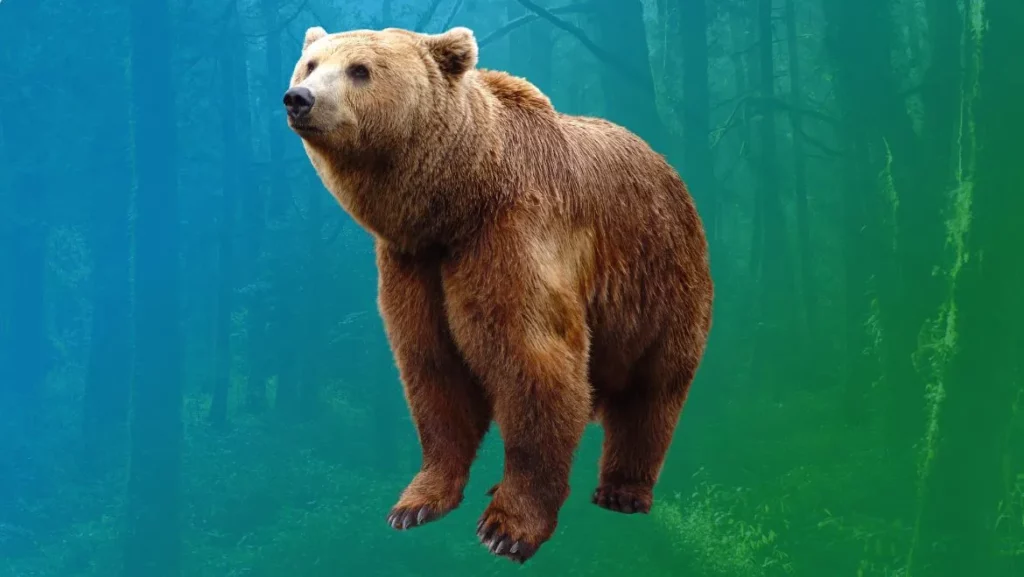
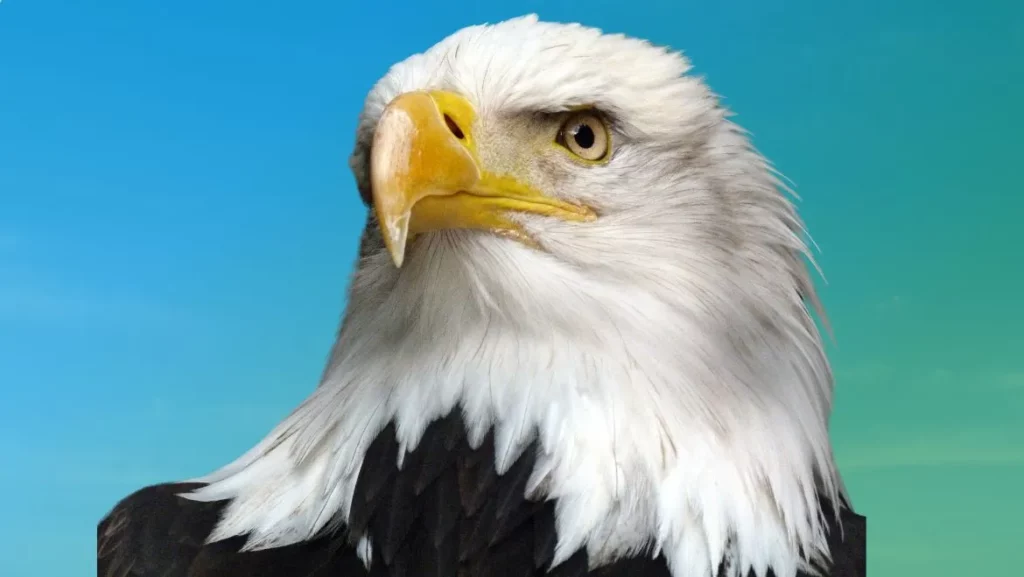
- Flattering traits only. Real animal medicine includes the shadow: the bear’s isolation, the eagle’s coldness, the wolf’s need to control. An article that lists only the pretty qualities is selling a mirror, not a teacher.
- Careless appropriation. Totem and power-animal practices belong to specific living cultures. Borrowing their language while ignoring their people is a genuine harm. Where I draw on indigenous or other traditions I name them and stay in my own European lineage; the honest move is to learn from the animals directly and humbly rather than to costume yourself in someone else’s ceremony.
- Spiritual bypass. Using guide work to float above grief, anger, or ordinary responsibility. A spirit animal that only ever makes you feel special has stopped doing its job.
Spirit Animals and Their Meanings: Questions People Ask
How do I know what my spirit animal is?
Watch for persistence rather than preference. The animal that keeps appearing uninvited — in life, in dreams, in journeys — and keeps being useful when it is inconvenient is far more likely to be a genuine guide than the one you would pick from a list. A structured journey, or the step-by-step process, is the most reliable way to confirm it.
Can you have more than one spirit animal?
Yes. Most people work with several over a lifetime, and often more than one at a time — a steadying guide for the long haul and a sharper one for a particular season. Some traditions describe a small circle of animals around a person, each holding a direction or a role. What matters is the quality of the relationship, not the number.
Can your spirit animal change?
It can. As your life moves through different work, different guides step forward. A power animal recovered in healing may stay for years; a situational spirit animal may arrive for a single passage and leave when its lesson lands. Change is not disloyalty — it is how the relationship keeps up with your life.
What is the difference between a spirit animal and a totem?
A spirit animal is personal and can shift; a totem, in its original sense, is inherited and belongs to a clan or lineage within specific cultures. Using totem to mean a favourite animal is common online but blurs a real distinction. If you mean a guide for your own inner life, spirit animal or power animal is the more accurate and more respectful term. You can explore individual guides in the A–Z spirit animal guide.
The deepest thing this practice offers is not a label that flatters you. It is a way back into relationship with the living world — and the animals have been waiting on their side of it far longer than you have on yours.