The question I am asked more than any other is a version of the same thing: how do I find my spirit animal? And the honest answer surprises people, because it reverses the whole premise. In more than two decades of shamanic practice I have watched again and again that you do not really go out and find your spirit animal. You make yourself quiet and available enough that the one already circling you can finally land.
Your power animal — also called a totem or soul animal — is not a badge you choose because you like its qualities. It is a guide that reflects something true about where you are and what you are being asked to face. This is a practical guide to recognising yours, drawn from how it actually happens in my practice rather than from a list of nice ideas.
First, What a Spirit Animal Actually Is
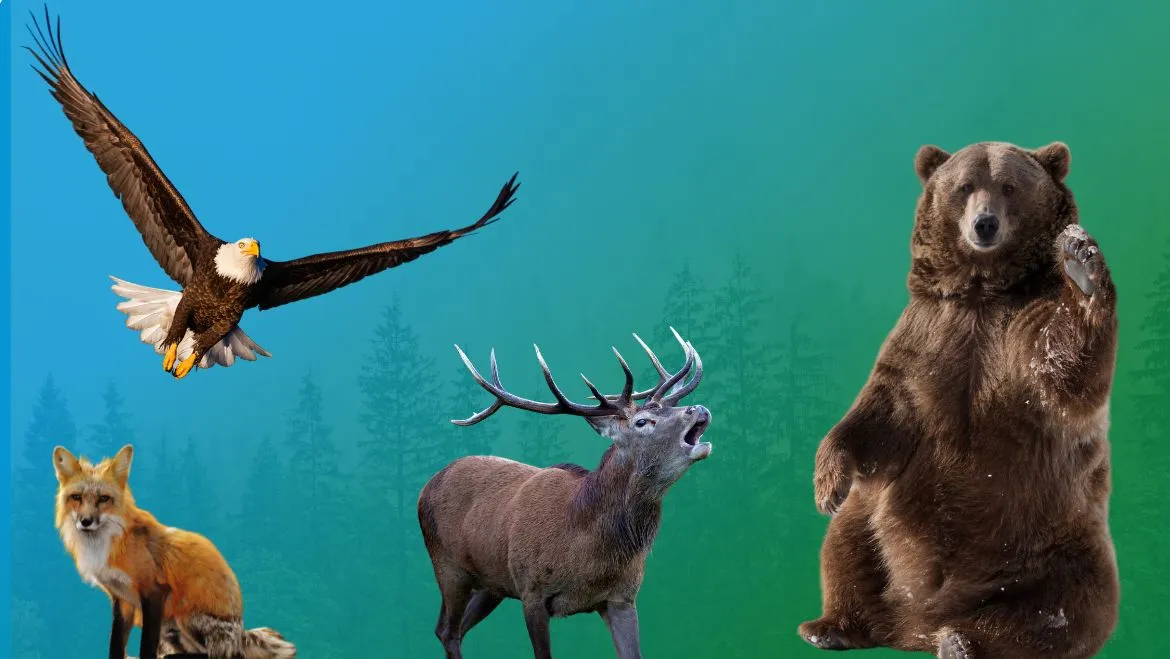
A spirit animal is not a personality quiz result and not a mascot. It is a relationship — a guardian and a teacher whose lessons are relevant to your current life, its challenges and its blind spots. The crucial point people miss: the guide that comes is very often the one whose lesson you have been avoiding, not the one that flatters you. The person who has gone hard meets the deer. The person who cannot rest meets the bear. The mismatch is usually the message.
A note on language and respect: the term “spirit animal” has specific, sacred roots in a number of Indigenous cultures. I use “animal guide” or “power animal” when describing a personal connection, and I try to celebrate what the natural world teaches without appropriating ceremonies that are not mine to hold. That respect is part of the practice, not separate from it.
How to Find Your Spirit Animal: A Practitioner’s Steps
This is a patient, intuitive process, not a one-off event. Work through it slowly, and keep a journal beside you as you go.
- Notice what returns without your invitation. Not the animal you admire — the one that keeps appearing. In dreams, on walks, in what catches your eye, in three encounters in a week when you had not thought of it in years. Persistence is the single most reliable signal.
- Watch for disproportion. A true guide produces a reaction bigger than the event — a tightening in the chest, tears with no story attached, an unaccountable pull. If an animal moves you more than it should, pay attention.
- Include the animals you fear. The snake, the spider, the wolf. Fear is not a disqualification; it is frequently the doorway. The animal you flinch from is often carrying the exact medicine you have been refusing.
- Journey or meditate to meet it. Settle somewhere undisturbed, let a steady drumbeat or your own slow breath carry you into a natural inner landscape, and invite the animal to reveal itself. Do not decide in advance what you want to see. Let it surprise you, and do not chase it if it keeps its distance — the distance is information.
- Study the real animal, then the symbolism. Once a guide makes itself known, look at how the actual creature lives — how it hunts, moves, defends, survives. Honest symbolism grows out of biology, not around it. Then read its deeper meaning against your own life.
- Write everything down before you interpret it. Record what the animal did — where it stood, what it looked at, what it refused. The behaviour carries the message; your quick interpretation usually carries your defences.
- Spend real time in nature. Not exercise, not distraction — genuine presence, phone away, senses open. Guides often make themselves known through the physical world when you are quiet enough to receive it.
- Trust that it can change. Your guide is not fixed for life. Some stay for years; others arrive for a single season because their lesson is what the moment requires. A new animal is not a failure of the last one — it is your growth showing up in a new shape.

Integrating the Guide Once It Arrives
Meeting the animal is the beginning, not the end. The work is to let its medicine change something in how you actually live — and to stay honest about its shadow as well as its gift.
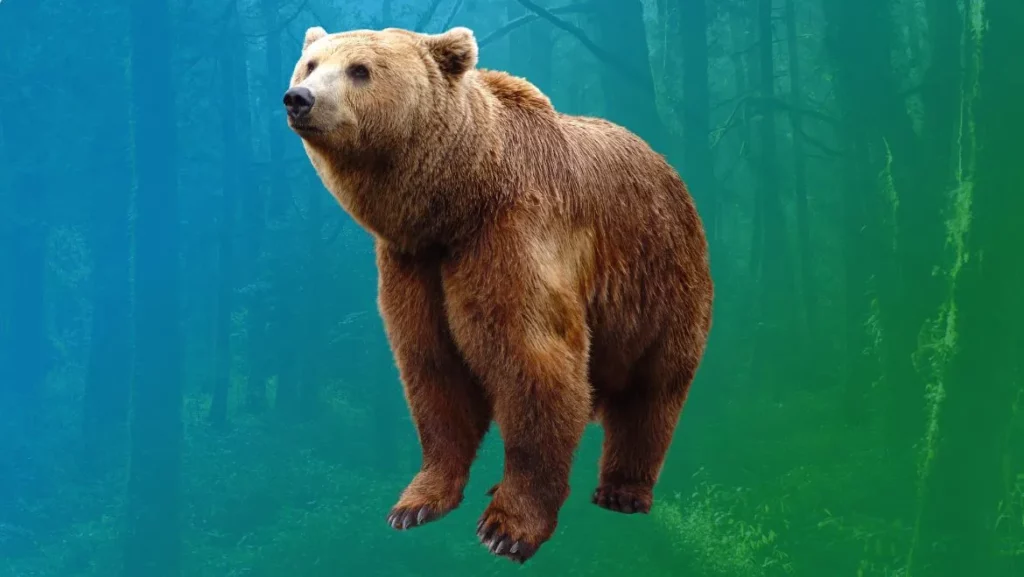
- Courage and strength — the bear or the lion — ask you to stand your ground, but also to know when strength means resting rather than fighting.
- Transformation — the butterfly or the snake — ask you to release what you have outgrown, and to stay in the uncomfortable middle of a change rather than forcing it.
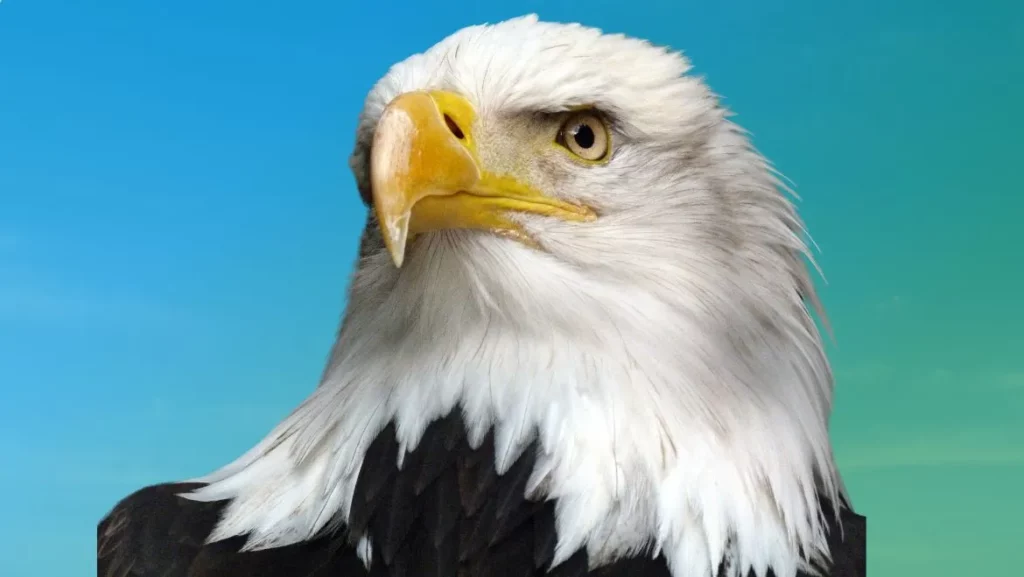
- Vision and wisdom — the eagle or the owl — ask for perspective, and warn against using height as a way to avoid the life at ground level.
- Belonging — the wolf or the elephant — ask you to tend your relationships, and to notice where loyalty has quietly become self-erasure.
If you want a fuller, structured walk-through of the journey itself, my step-by-step guide to finding your spirit animal goes deeper, the A–Z spirit animal guide lets you read the meaning of whichever animal arrives, and the Path of the Paws oracle deck is a gentle way to let the animal find you rather than the other way round.
Finding Your Spirit Animal: Questions People Actually Ask
How do I know my spirit animal is real and not just my imagination?
The test is persistence and disproportion, not vividness. A guide you invented to please yourself tends to fade; a real one keeps returning uninvited and carries a lesson you would not have chosen. If the animal that arrives is inconvenient — if it asks something of you — that is usually a sign it is genuine.
What if I do not like the animal that comes?
That is one of the most common and most useful outcomes. The guide is rarely the one we would have picked. The animal you resist is almost always carrying the medicine you have been avoiding — and your discomfort is the map to the work.
Can I have more than one spirit animal?
Yes. Many people carry a long-term guide alongside others that arrive for a specific season. When the animal changes, it usually means you have changed — a new lesson has come due, and a new teacher with it.
Do I have to journey to find my spirit animal?
No. Journeying is the most direct method, but guides also make themselves known through dreams, repeated encounters and long-standing fascinations. If journeying feels daunting, start simply: notice what keeps returning, and write it down.
Finding your spirit animal is less an achievement than a willingness — to be quiet, to be honest, and to let the guide you need arrive rather than the one you wanted. Approach it with an open heart, and let the animal do the choosing.