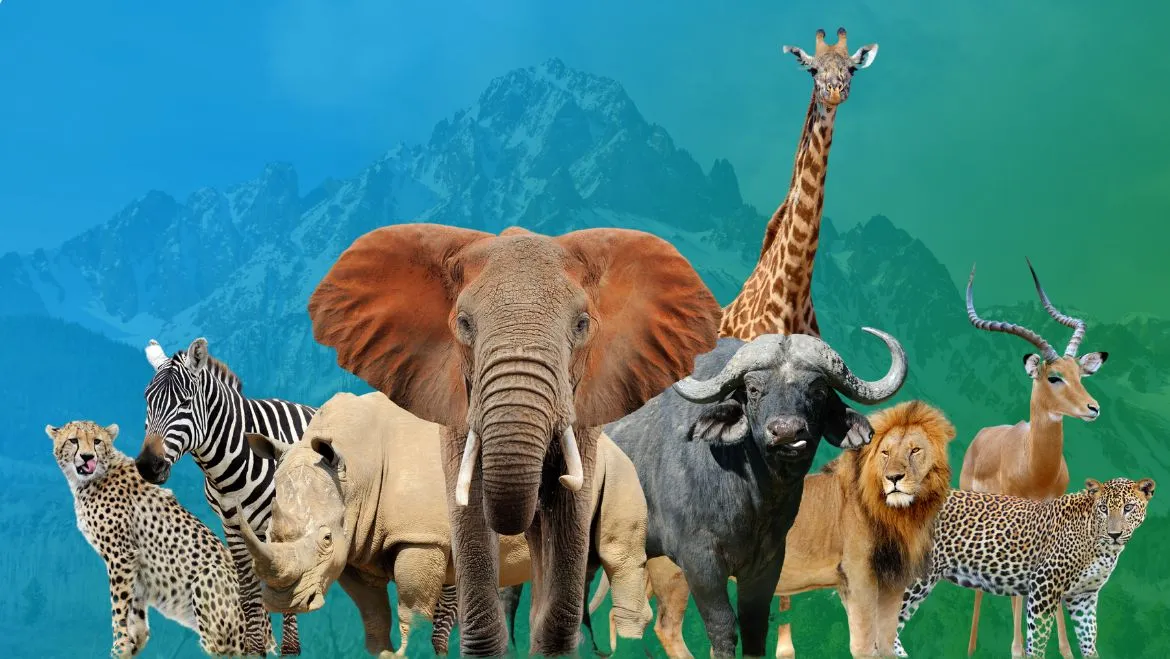
People ask me this more often than almost anything else: which is the best spirit animal to have? Usually there is a hope tucked inside the question — that they might be walking with something impressive, a wolf, an eagle, a bear, rather than a mouse or a moth. I understand the wish. But in more than two decades of shamanic practice I have watched it quietly get in the way of the very relationship it is reaching for. There is no best spirit animal. There is only the one that has come, and the reason it came.
This is a guide about meaning, not a ranking. If you are looking for a leaderboard of the most powerful animals, you will not find one here, because power in this work does not mean what you think it means. If instead you want to understand what makes a guide right for you — and how to stop measuring by spectacle — stay.
Why “Best Spirit Animal” Is the Wrong Question
A spirit animal is not a trophy and not a personality badge. In shamanic understanding it is a relationship — a living guide that carries exactly the medicine your current stretch of road requires. Asking which animal is best is a little like asking which medicine is best. Best for what? The answer depends entirely on what ails you.
The person exhausted from carrying everyone does not need the eagle’s grand vision; they need the sloth’s permission to conserve. The person frozen by fear does not need another impressive predator; they may need the rabbit’s honest relationship with vulnerability. When people come to me disappointed by their guide — couldn’t I have got something grander? — that disappointment is very often the first thing the animal arrived to work on. It usually mirrors exactly how they treat the unglamorous, patient, capable parts of their own life.
What Actually Makes a Spirit Animal “Powerful”
Power in this work is not size, teeth, or reputation. A guide is powerful to the exact degree that it meets your real situation. Measured that way, the strongest animal is frequently the plain one.
- Accuracy over grandeur. An ant’s teaching about collective effort can transform an isolated person far more than a lion ever could. The medicine that fits is the medicine that works.
- The correction you resist is often the one you need. The animals we are quick to dismiss usually carry the quality we have been undervaluing in ourselves — patience, stillness, strategic retreat, slow conservation of energy.
- Relationship over collection. One guide you genuinely work with will change you more than a menagerie you admire from a distance. Depth, not quantity, is where the power lives.
The Guide Reflects Where You Are Now
Seen through the lens of depth psychology, spirit animals behave much like Jung’s archetypes — images from the collective unconscious that embody a quality we admire, aspire to, or feel is missing. This is why the animal you connect with can shift over the years. As you change, the medicine you need changes, and a new guide steps forward to meet it. Someone moving through a genuine death-and-rebirth may feel the phoenix or the snake arrive; someone learning to hold their ground may find the wombat or the bull. None of these is “better.” Each is simply timely.
Spirit animals also carry collective meanings that run deeper than personal preference. Many of these figures belong to specific living traditions, and those meanings belong to the peoples who hold them; I reference the broad archetypes here with respect and without claim to any nation’s ceremony. What matters for your own practice is simple: the guide is not a mirror of who you wish you were. It is a mirror of what your life is asking of you right now.
How to Find the Guide That Is Actually Yours
Shamanic work is not a substitute for medical or psychological care. Rather than hunting for the “best” animal, use this to notice the one already reaching for you.
- Name the disappointment first. If you are hoping for a particular impressive animal, say so honestly. Whatever is driving that hope is often the real material.
- Track repetition, not preference. Which animal keeps appearing — in dreams, in journeys, in your waking life — uninvited? Recurrence matters more than which one you like best.
- Watch for a bodily response. The right guide usually produces a physical reaction when it appears — a catch of breath, a chill, an unexpected tightening. The body recognises before the mind does.
- Ask what it does, not what it is. A guide’s behaviour is its message. Follow the sloth’s stillness, the raven’s watching, the moose’s unhurried size — and ask what in your life that behaviour is defending.
To meet your guide deliberately, work through the step-by-step method for finding your spirit animal, browse the full A–Z spirit animal guide, or sit with the Path of the Paws oracle deck and let the animal find you rather than choosing the one you like best.
The Path of the Paws
42 hand-illustrated oracle cards, one for each animal guide — drawn from the same practice these articles come from. A way to sit with an animal instead of only reading about it.
Order your deck →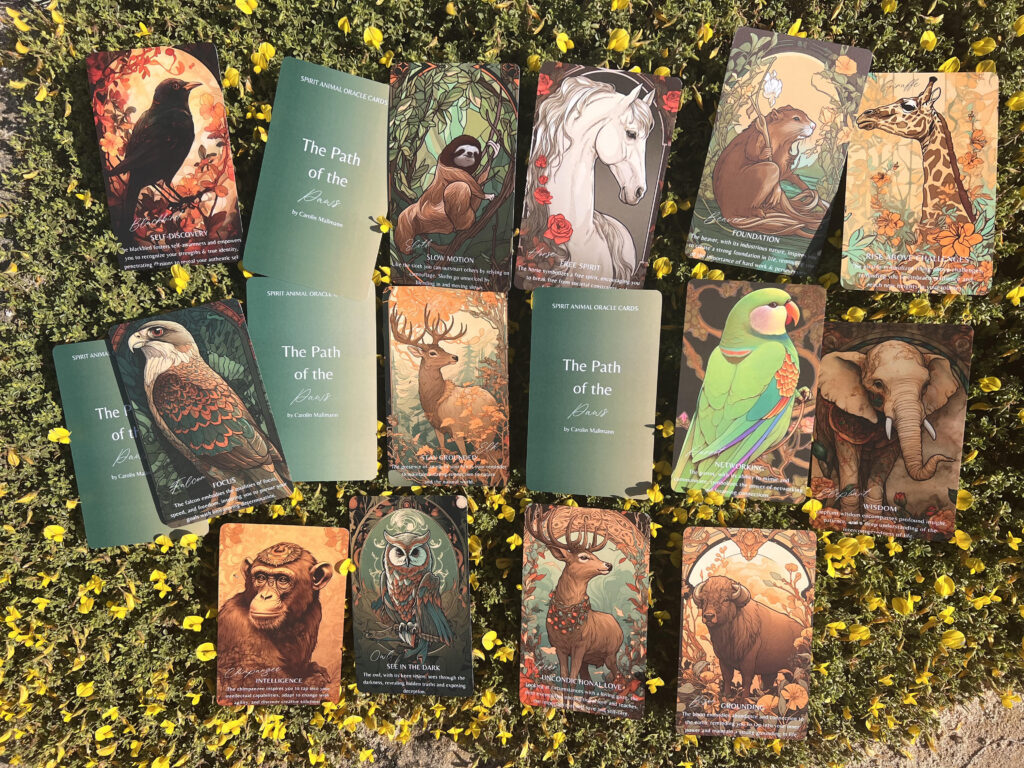
Best Spirit Animal: Questions People Actually Ask
What is the most powerful spirit animal?
There is no single most powerful spirit animal. Power in shamanic work is measured by how accurately a guide meets your actual situation, not by how impressive it looks. For an isolated person, the ant may be more powerful than the lion. The strongest guide is the one carrying the medicine your life currently needs.
Can you have more than one spirit animal?
Yes. Many people walk with several guides over a lifetime, and sometimes more than one at once. But depth matters more than number. One relationship you genuinely tend will change you far more than a collection you admire from a distance.
Why do I feel disappointed by my spirit animal?
Disappointment is one of the most common reactions, and it is worth sitting with. It usually mirrors how you treat the quiet, patient, unglamorous parts of your own life. An unassuming guide arrives carrying only its genuine gift — which forces you to value the quality itself rather than the spectacle around it.
Can your spirit animal change over time?
Often, yes. As your life changes, the medicine you need changes, and a new guide may step forward to meet it. A guide leaving is not a failure; it usually means its work with you is done and the next teacher has arrived.
So set the ranking aside and ask the better question: not which animal is best, but which one has come, and why. When you are ready to go deeper, the four-week spirit animal course teaches the journeying method in full.