Almost nobody meets the spider neutrally. When people journey to it for the first time, the first thing that arrives is usually not an image but a flinch — a small physical recoil that happens before any thought. And then, if they stay, something shifts. The spider does not come closer. It does not perform. It simply continues its work, thread by thread, in a stillness so complete that the fear has nowhere to attach itself.
This page is not about arachnids. It is about what it means when the spider appears to you — in a journey, in a dream, in the corner of a room you have walked past a hundred times and suddenly cannot ignore. If you came here for biology, you are in the wrong place. If the spider has been showing up and you want to know why, stay.
The most common misunderstanding I encounter is that the spider is about trapping. It is not. It is about structure — and about the difference between building a life you move through and building one you are caught in.
From Web to Message: How the Real Spider Explains the Spider Spirit Animal
Every claim about the spider’s meaning should be anchored in what the spider actually does. So begin there.
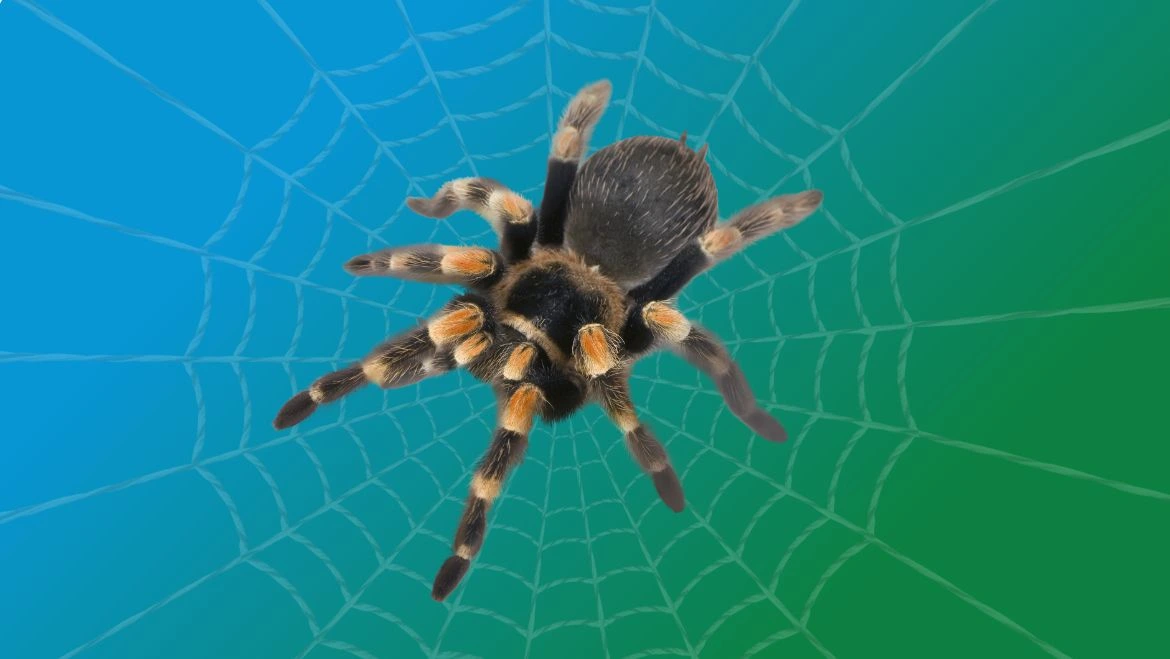
An orb weaver builds its web from silk it produces inside its own body. It does not gather material. It does not inherit a structure. It secretes the thing it will live in — which is why the spider, across almost every tradition that noticed it, became the creature of self-authored reality. What you are living inside came out of you.
The web is laid down in a sequence: first the frame, then the radial spokes, then the spiral of sticky capture threads. The spider knows which strands are sticky and which are not, and walks only on the safe ones. It is not immune to its own trap — it simply knows the difference. That discernment is the whole teaching. Most people who come to me tangled in their own lives are not caught in someone else’s web. They are caught in the sticky threads of their own making, having lost track of which commitments were structural and which were only ever bait.
And the spider does not watch its web. It feels it. Vibration travels down every strand to the center, where the spider sits with its legs resting on the lines. It perceives the entire structure at once, through touch, in the dark. This is the sensory model for what shamanic practitioners call reading the field — not scanning for a threat, but resting at the center and letting the whole system report itself to you.
Nothing in the spider’s medicine requires you to hunt. It requires you to build well, and then to stop moving.
The Path of the Paws
42 hand-illustrated oracle cards, one for each animal guide — drawn from the same practice these articles come from. A way to sit with an animal instead of only reading about it.
Order your deck →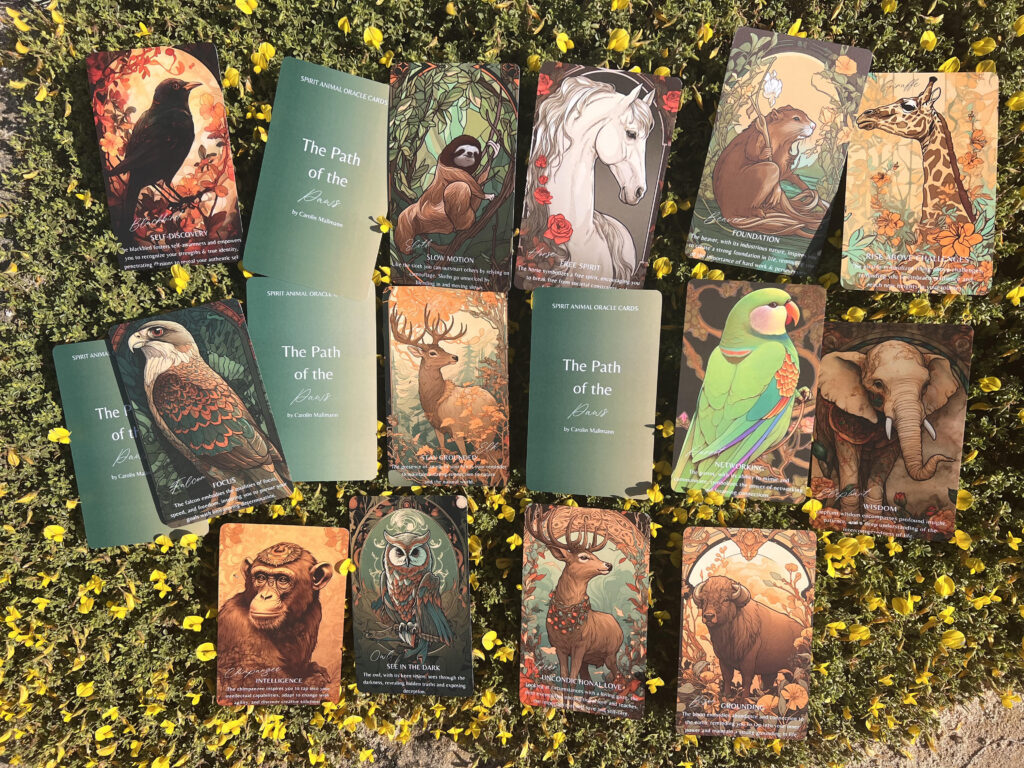
Spider Symbolism and Spiritual Meaning Across Traditions
The spider is one of the few animals whose symbolic role stayed consistent across cultures that never met. Almost everywhere it appears, it appears as a weaver of the world — and almost everywhere, that weaver is female.
Diné (Navajo) and Hopi traditions. Spider Woman — Na’ashjé’ii Asdzáá in Diné telling — is not a minor figure. She is a creator being who taught the people to weave, and weaving in these traditions is not a craft but a cosmology: warp and weft, the visible pattern held by an invisible structure. In Hopi accounts, Spider Grandmother helps bring the people up into this world. I name these nations specifically because “Native American spider symbolism” flattens dozens of distinct cosmologies into one, and the spider deserves better than that.
Ancient Egypt. Neith, among the oldest deities in the Egyptian pantheon, was a weaver goddess said to have woven the world into being on her loom. She was also a goddess of war. Weaving and defending were not opposites to her — the one who makes the structure is the one who guards it.
Greece. The Moirai spin, measure, and cut the thread of each life. And Arachne — the mortal weaver who out-wove Athena and was transformed into a spider for it — carries the shadow of this gift: creative power that forgets its source curdles into hubris, and hubris ends with you weaving forever, alone.
West Africa and the diaspora. Anansi, of Akan origin, is the spider as storyteller and trickster — the small one who holds all the stories, who wins by patience and wit against beings far stronger. Anansi crossed the Atlantic in the memory of enslaved people and survived in the Caribbean and the American South. That survival is itself spider medicine: the story is the thread, and the thread holds.
Put together, the spider’s spiritual meaning is remarkably stable: you are inside a structure that someone wove, and you are also weaving it. Fate and authorship in the same body.
The Shadow of the Spider
A spirit animal that only ever flatters you is not a spirit animal. It is a fortune cookie. The spider has a shadow, and it is precise.
The web becomes a cage. The gift of building structure turns, under pressure, into building so much structure that nothing can move. In my practice, spider people are frequently the ones with beautiful systems and no life — the planner, the container, the endlessly refined method that has quietly replaced the thing it was meant to hold. When someone journeys to the spider and finds themselves stuck in the web rather than walking it, this is almost always what is being shown.
Waiting becomes avoidance. The spider’s patience is a state of complete readiness. Its counterfeit is passivity dressed in spiritual language — waiting for the universe to deliver something you have not built the structure to receive. The honest question is simple: is my web finished, or am I calling my fear of action “trust”?
Influence becomes manipulation. The spider senses the whole field and knows which thread to touch. That capacity, ungrounded, becomes the person who never asks directly for anything — who arranges circumstances so that others arrive at the desired conclusion on their own. It feels like skill. It is actually a refusal of contact.
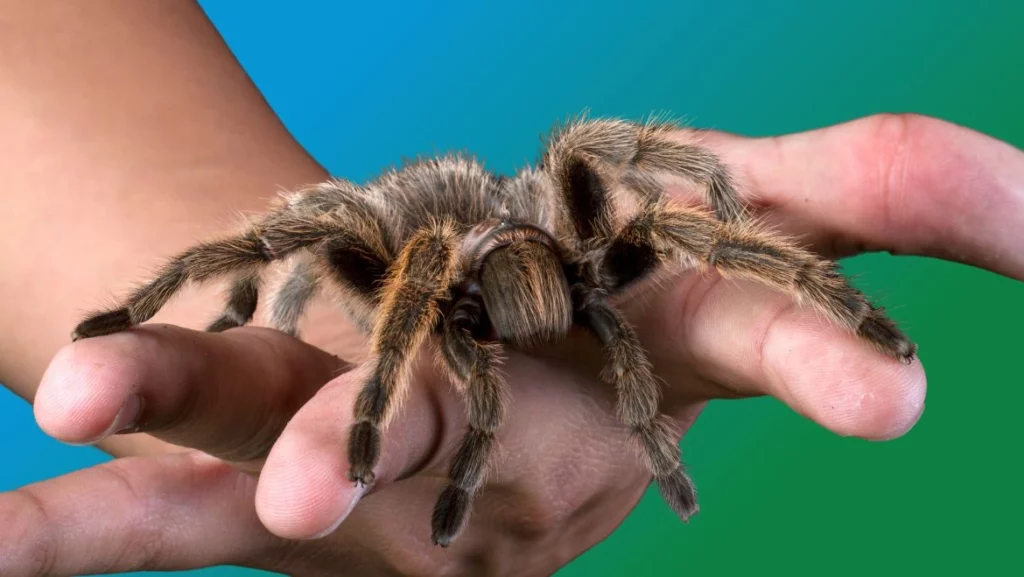
When the spider frightens you. A recurring spider nightmare — a spider on your body, a spider growing, a web across the door — is rarely a threat from outside. In the pattern I see most often, it accompanies a period in which a person feels enmeshed: a family system, a job, a relationship where every move pulls on ten other strands. The dread is not of the spider. It is of the web you have already agreed to. The tarantula in particular tends to arrive for people entering shadow work — its size and its ground-dwelling stillness make it an uncomfortably direct mirror, and what people report afterwards is usually not terror but relief.
Practice: Journeying to the Spider at the Center
The spider does not answer “what should I do?” It answers questions about pattern. Bring it the right question and it is one of the most articulate teachers there is. If you are new to this kind of work, begin with the step-by-step guide to finding your spirit animal and return here afterwards.
- Set the question before you begin. Not “how do I fix this?” but: What is the pattern I keep weaving? Or: Which threads in this situation are mine, and which am I holding for someone else?
- Enter through touch, not sight. Lie down, close your eyes, and let a steady drumbeat carry you. Instead of looking for an image, feel for a thread — a single line under your fingers. Follow it inward.
- Move toward the center, never the edge. The spider sits at the hub. So do you. Whatever pulls you outward in the journey is usually the same thing that pulls you outward in your life.
- Observe before you ask. Is the spider building, waiting, or repairing? That state is already the first half of your answer.
- Ask to be shown the web of your situation — the structure, not the story. Notice which threads are taut, which are slack, which are sticky.
- Ask for one thread. Only one. Which thread most needs my attention now? Something will become brighter, tighter, or louder. Take that one back with you.
- Integrate within 24 hours. Do one physical thing with the thread you were given — a message sent, a commitment ended, a boundary named. Spider medicine that stays in the journey is spider medicine that does not land.
A note on frequency: people often want to journey to the spider repeatedly, redrawing the map again and again. That is the shadow, quietly reasserting itself. One web. One thread. Then go and live in it.
Spider Spirit Animal: Common Questions
What does it mean when a spider keeps appearing?
Repeated appearances point to structure, not events. Something in the architecture of your life — a commitment, a role, a system you built — is asking to be examined. The spider does not comment on what you are doing. It comments on the shape of what you have made, and whether you are still moving freely inside it.
Is the spider a good or bad omen?
Neither. Omens are a way of outsourcing responsibility, and the spider is the animal least willing to let you do that. It is a mirror of your own weaving. Whether what it shows you is welcome depends entirely on what you have been building — which is exactly why it is worth looking.
What does a spider in a dream mean?
Watch what the spider is doing, not what it looks like. A spider building signals a creative phase that has begun below your awareness. A spider waiting at the center asks whether your patience is readiness or avoidance. Being caught in a web points to enmeshment — a situation in which every move you make pulls on someone else.
What is the spiritual meaning of killing a spider?
Traditions differ, and I would not build a rule out of it. But the reflex is worth noticing. The impulse to destroy the weaver — quickly, before it can be looked at — is worth sitting with when the spider is also the part of you that builds. Move it outside instead, and pay attention to what you feel while you do.
Who does the spider spirit animal usually come to?
In my practice, it tends to arrive for people who are trying to force a direct solution to an indirect problem — pushing harder at something that will only yield to a change in structure. It is also a common guide for makers: writers, designers, builders, anyone whose work is the patient assembly of many small parts into one whole.
Sitting at the Center
The spider will not make you faster. It will not tell you that everything happens for a reason. It will show you the structure you are living in and ask, without sentiment, whether you built it on purpose.
If this animal keeps finding you, look for its relatives in your life too — the butterfly, which dissolves its structure entirely before rebuilding, and the snake, which sheds what it has outgrown. The full A–Z guide to spirit animals will show you where the spider sits among them. And if you want to go further than reading, the four-week spirit animal course is where this work becomes practice.
Go to the center. Feel for the thread. Then get up and pull it.