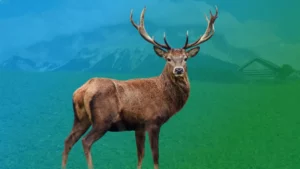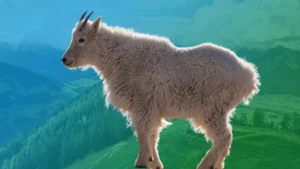
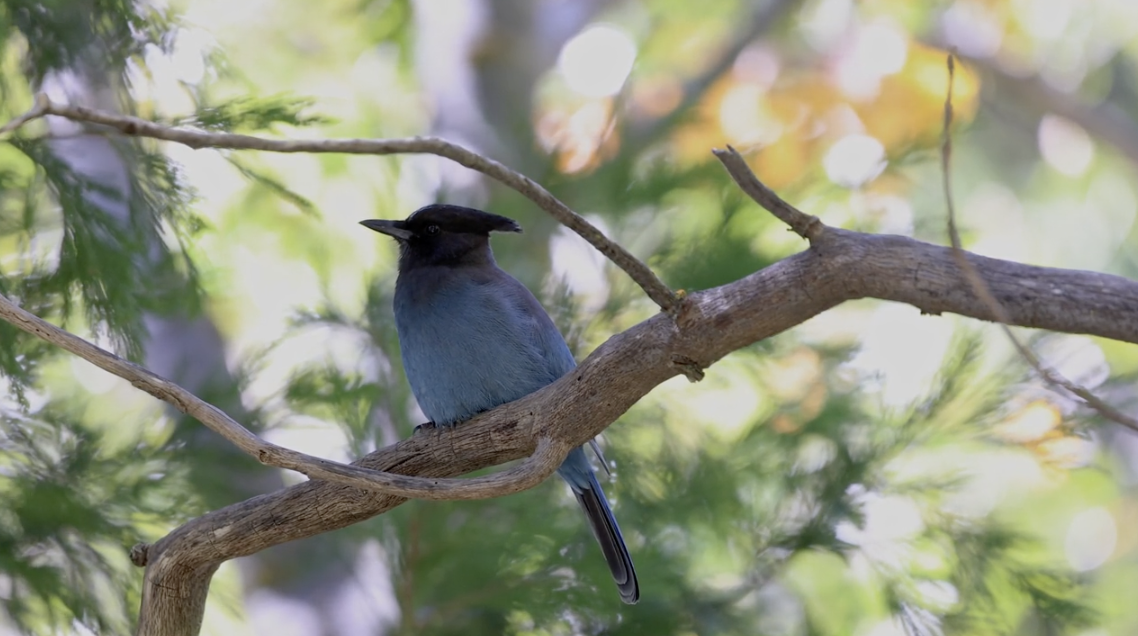
When shamans speak of “journeying,” they are describing travel through a living map of reality. In shamanism, the shamanic cosmos is divided into three realms — the Lower World, the Middle World, and the Upper World. Together these three worlds form the spiritual geography that shamans have navigated for tens of thousands of years to seek healing, guidance, and connection with helping spirits. Understanding this map is one of the first and most grounding steps on the shamanic path.
What are the three worlds in shamanism?
The three worlds in shamanism are the Lower World, the Middle World, and the Upper World — three distinct layers of non-ordinary reality that a shaman visits during a trance journey. The Lower World is the realm of power animals and the deep, earthy wisdom of nature. The Middle World is the spiritual dimension of our everyday physical world. The Upper World is the realm of teachers, guides, and expansive, luminous wisdom. This three-part structure appears in shamanic cultures across Siberia, the Americas, and beyond, which is part of why the scholar Mircea Eliade called shamanism a set of “archaic techniques of ecstasy” shared by peoples who never met.
| World | Also called | What it holds | Who you meet |
|---|---|---|---|
| Lower World | Underworld, the world below | Nature, roots, instinct, primal power | Power animals, animal guides |
| Middle World | Everyday world (spiritual layer) | The spirit side of physical reality | Nature spirits, ancestors, land spirits |
| Upper World | Sky world, the world above | Light, wisdom, higher perspective | Teachers, spirit guides in human form |
What is the Lower World?
The Lower World is the realm of nature, instinct, and primal power, and it is where most people meet their power animal. Despite its name, the Lower World is not a dark or frightening place — the word “lower” simply describes the direction of travel. Shamans typically journey there by imagining a natural opening into the earth: the roots of a tree, the mouth of a cave, a spring, or a hole in the ground. Once through, the landscape often feels vivid and organic, full of forests, rivers, mountains, and animals.
This world is a place of retrieval and restoration. Practitioners come here to recover lost power, to meet the animal spirits who protect and guide them, and to reconnect with the earthy, grounded wisdom that modern life so easily severs. If you are new to this, our beginner’s guide to shamanic journeying walks through how to make that first descent safely.
What is the Middle World?
The Middle World is the spiritual dimension of the physical world we live in every day. Rather than travelling up or down, the shaman moves outward across the same landscape we inhabit — but perceived through spiritual eyes. Here you may encounter the spirits of the land, of plants and stones, of the elements, and of places both near and far.
The Middle World is powerful for work rooted in this life: finding a lost object, sensing the health of a landscape, or communicating with the spirit of a living being. It is also the realm most traditions treat with the greatest caution, because it contains the full spectrum of spirits — helpful and unhelpful alike. This is why experienced practitioners emphasise working with clear intention and trusted helping spirits, a theme explored in Beyond Good & Evil: Embracing the Full Spectrum of Shamanic Spirits.
What is the Upper World?
The Upper World is the realm of light, higher wisdom, and teachers who often appear in human or luminous form. Shamans reach it by finding a way to climb or rise — smoke, a tree that stretches into the sky, a mountain, a rainbow, or a bird that carries them upward. The atmosphere is frequently described as bright, spacious, and serene, and the beings encountered there tend to offer perspective, insight, and guidance rather than the instinctual power of the Lower World.
Many practitioners visit the Upper World to meet a spirit teacher, to ask life questions, or to gain a wider view of a situation that feels tangled from the ground. In his classic The Way of the Shaman, anthropologist Michael Harner described these journeys as a core, learnable skill — not a rare gift, but a natural human capacity that can be cultivated with practice.
How do shamans travel between the worlds?
Shamans travel between the worlds along a central axis that connects all three, usually entered in a light trance induced by rhythmic drumming. This axis is one of the most widespread images in shamanism, appearing again and again across cultures:
- The World Tree — roots in the Lower World, trunk in the Middle World, branches in the Upper World.
- The axis mundi — a central pillar, mountain, or pole around which the cosmos turns.
- The drum — the steady beat (often four to seven beats per second) that “carries” the practitioner across the threshold.
The journey itself follows a simple arc: set a clear intention, relax into the sound of the drum, travel to the chosen world, meet your helping spirits, and then return the same way you came, carrying back what you received. The map is ancient, but the practice is remarkably accessible.
Why does the shamanic cosmos matter for your practice?
Knowing the three worlds matters because it gives your journeys direction and safety — you know where you are going, who you are likely to meet, and what kind of help each realm offers. Without this inner map, journeying can feel vague or disorienting. With it, you can choose the Lower World to recover power, the Middle World to work with the land, or the Upper World to seek counsel. If you would like to learn this in a structured, supported way, the Elements of Shamanism training teaches shamanic journeying and the three worlds step by step, grounded in the wisdom of the elements.
A note from my own practice
When I first learned the three worlds, I remember feeling relieved. Until then, the idea of “journeying” had felt abstract and a little intimidating. But the moment I understood that there was a map — a below, an around, and an above — the whole practice softened into something I could actually walk into. My first journeys were always to the Lower World, to my power animal, because that is where I felt held. Over the years the Upper World has become the place I go when I need to see my life from a higher vantage point. I share this because the cosmos is not just theory: it becomes a familiar, trusted landscape you return to again and again.
A gentle reminder: shamanic practice is a spiritual and self-reflective path. It can beautifully complement emotional and physical wellbeing, but it does not replace professional medical or psychological care. If you are struggling, please reach out to a qualified practitioner as well.
Frequently asked questions
Is the Lower World the same as hell?
No. The Lower World has no connection to the Christian idea of hell. In shamanism it is a place of nature, animal guides, and nourishing power, and practitioners generally experience it as safe, vivid, and welcoming.
Which world should a beginner visit first?
Most teachers suggest starting with the Lower World to meet a power animal. A power animal offers protection and companionship, which makes it an ideal first relationship before exploring the Middle or Upper Worlds.
Do all shamanic cultures use three worlds?
The three-world model is very widespread, but not universal. Many traditions describe additional layers or subdivide the worlds further. The Lower–Middle–Upper structure is the framework most commonly taught in core shamanism today.
How do I know which world I journeyed to?
Pay attention to how you entered and what you encountered. Going down through roots or a cave into an earthy, animal-rich landscape signals the Lower World; rising into bright, spacious realms with human-like teachers signals the Upper World; moving across familiar terrain points to the Middle World.
Do I need a drum to journey between the worlds?
A drum or drumming recording helps enormously, because the steady rhythm shifts your brain into the light trance state that supports journeying. It is not strictly required, but for beginners it is the simplest and most reliable doorway.
Is journeying to the three worlds safe?
Journeying is generally considered safe when you work with clear intention and helping spirits, and always return the way you came. As with any spiritual practice, learning from an experienced teacher and staying grounded makes the experience both safer and richer.
About the author: Carolin is a shamanic practitioner and teacher at One Shamanism, where she guides students in modern, practical shamanism rooted in respect for nature and the wisdom of the elements. She has spent years journeying, teaching, and helping others reconnect with their own helping spirits. You can learn with her through the Elements of Shamanism training.