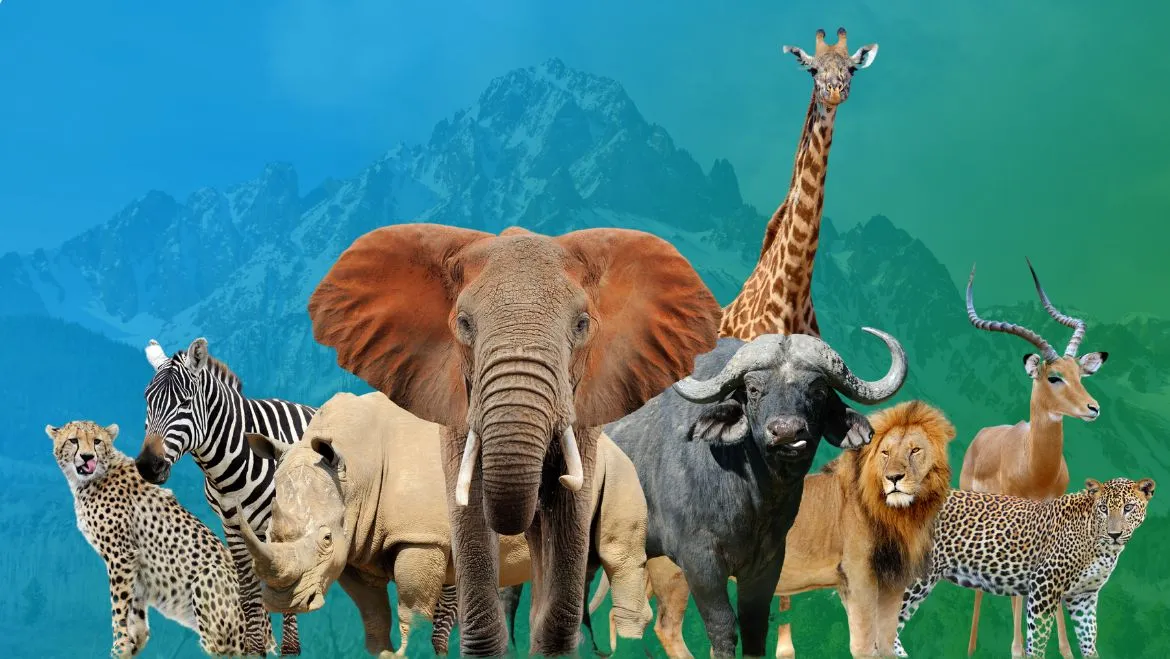
Most guides to spirit animals hand you a table: this animal means courage, that one means wisdom, collect the set. In more than two decades of shamanic practice I have watched that approach fail person after person — not because the meanings are wrong, but because a spirit animal is not a symbol you look up. It is a relationship you tend. It arrives in a journey, a dream, or the stubborn recurrence of an image, and it behaves like itself: hunting, hiding, leading, waiting. The meaning lives in the encounter, not in the dictionary.
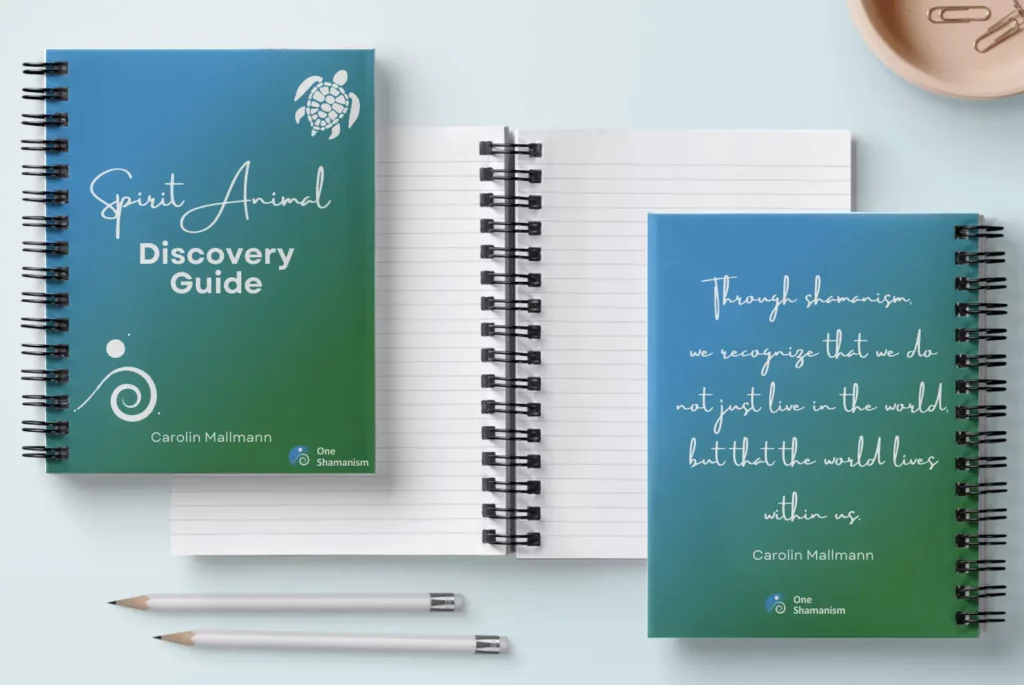
This is a spirit animals guide built to be used that way. It covers what a spirit animal actually is, how to read its meaning through behaviour, how the great traditions have mapped these guides, and how to meet your own. This is about meaning, not zoology. If you came to identify a species, you are in the wrong place. If an animal has been arriving in your inner life and you want to understand it, stay.
Spirit Animal, Totem, Power Animal: What the Words Actually Mean
The three terms are used interchangeably, but they carry different weight, and it is worth being precise. A totem traditionally belongs to specific Indigenous kinship systems — an animal tied to a clan or lineage, held within a living culture that these traditions belong to and that outsiders should reference with respect rather than borrow. A power animal is the term most common in core shamanic practice: a guide whose strength and instinct you can draw on and journey to. A spirit animal is the broad, everyday phrase for an animal presence that carries meaning for you. What matters far more than the label is the quality of the relationship — whether you are collecting a creature or actually letting it teach you.
How to Read a Spirit Animal’s Meaning and Symbolism
The single most useful principle in this whole field is that the spiritual meaning grows out of the biological truth. When you understand what an animal actually does — how it hunts, builds, migrates, defends, or survives — its symbolism stops being decorative and becomes precise. The owl means what it means because it hunts in darkness that blinds everything else. The salmon means what it means because it exhausts itself swimming home against the current. So when an animal appears, do not reach first for a keyword. Ask behavioural questions: How is it moving? What is it doing when you notice it? Is it approaching, retreating, watching, feeding, blocking your path? The same animal carries a different message depending on what it does — a wolf running with the pack speaks of belonging; a wolf watching you alone from the treeline speaks of the part of you that has left the pack on purpose.
Spirit Animals, the Seasons, and the Zodiac
Many traditions tie animal guides to time — to the month, the season, or the year of your birth. The Native American birth totems assign an animal to each period of the year; the Chinese zodiac assigns one to each year in a twelve-year cycle; Celtic, Egyptian and other systems do their own versions. Used well, these are not fortune-telling. They are doorways. The point is never “you are an Otter, therefore you are creative.” The point is: the otter lives a certain way — what in that way of living is asking to be awakened in you right now? A seasonal or zodiac animal is an invitation into relationship with a creature, not a verdict stamped on your personality at birth.
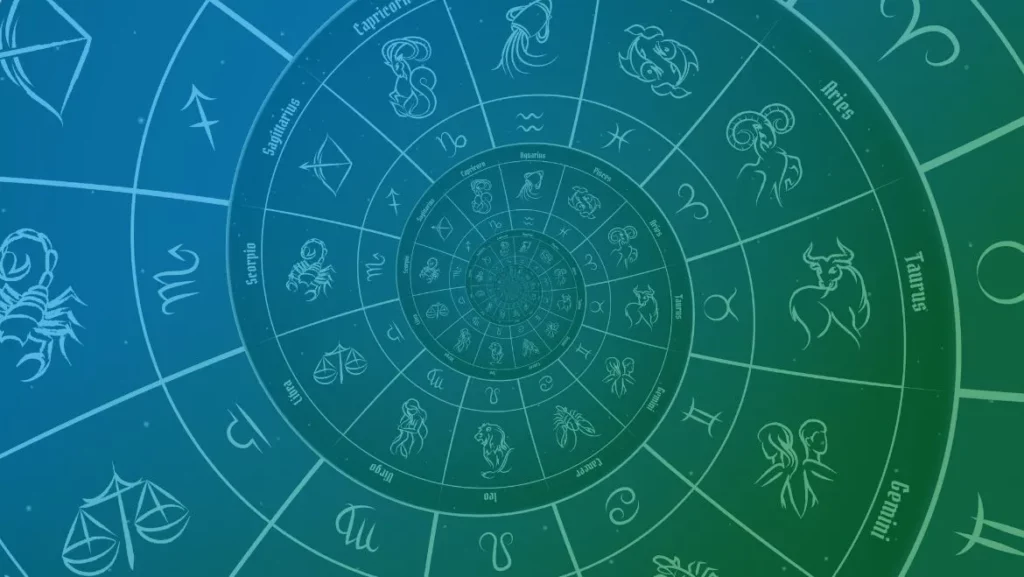
If your thread is astrological, the deeper article on zodiac signs and their spirit animals takes each sign in turn. But hold it lightly: your birth animal is an assignment to grow into, not a cage to live inside.
The Shadow Side of Spirit Animal Work
Here is what most spirit-animal guides quietly skip. Every guide carries a shadow, and the gift and the trap are usually the same trait seen from a different angle. The wolf’s loyalty becomes a cage when you stay loyal to what has stopped being true. The owl’s night vision curdles into rumination when you see everyone’s shadow but your own. The lion’s dignity slides into a need to dominate the room. If you only ever collect the flattering meanings, you miss the medicine entirely — because the medicine is almost always in the part you would rather not look at.
This is why a threatening animal in a journey, or a guide who turns up wounded, caged, or hostile in a recurring dream, is so important. In my experience it is rarely a warning against the animal itself. It is the psyche flagging where the animal’s gift has gone wrong in you — where the beaver’s industry has hardened into workaholism, or the deer’s gentleness has collapsed into people-pleasing. Read the fear as information, not as a verdict. The shadow is the same power running in the wrong direction, waiting to be turned back toward life.
How to Meet Your Spirit Animal: A Simple Practice
Reading about spirit animals is one thing; meeting one is another. Shamanic work is not a substitute for medical or psychological care, but this short journey is safe to try at home, and it works whether or not you already know your guide.
- Settle. Lie down somewhere you will not be disturbed. Let your breathing slow until the exhale is longer than the inhale.
- Descend. Picture a place in nature you actually know, and find an opening downward — a hollow tree, a cave mouth, roots parting. Go down until you reach open ground.
- Invite, do not summon. Say silently that you are open to meeting a guide, then wait. Notice which animal comes — and notice how it behaves, not only which one it is.
- Ask one question: “What do you want me to see?” The answer may be an image, a movement, or a wordless knowing. Do not argue with it.
- Return and record. Come back up the way you came, and write down the behaviour before you interpret it. The raw gesture is the data; the meaning can wait.
If you are not yet sure who your guide is, the step-by-step guide to finding your spirit animal walks through it slowly, and the Path of the Paws oracle deck is a gentler entry point if journeying feels like a lot right now.
Spirit Animals: Questions People Actually Ask
Can I have more than one spirit animal?
Yes, and most people do. There is often one guide that stays across years and several others that arrive for a particular season or task. A new animal appearing does not replace the last one — it usually means the work has changed. Pay attention to which one shows up when, rather than trying to crown a single “true” animal.
What does it mean when a spirit animal keeps appearing?
Repetition is emphasis. When the same animal turns up in dreams, in the physical world, and in journeys within a short span, it usually means a message has not yet landed. Ask what part of your life mirrors the animal’s behaviour. The appearances often stop once you act on what it was showing you.
How do I find out what my spirit animal is?
You do not choose it so much as notice it. Watch for an animal that recurs uninvited — in dreams, in life, in a pull you cannot explain — and pay attention to the physical response when it appears. A structured journey, like the practice above, is the most direct way to meet it deliberately rather than waiting for it to find you.
Is a spirit animal a real spiritual being or a psychological symbol?
Different traditions answer differently, and in practice the distinction matters less than people expect. Whether you experience the animal as an autonomous spirit or as a powerful image from your own depths, the way you work with it is the same: you meet it, watch its behaviour, and let it show you something you could not see head-on. The relationship does the work.
However your guide arrives, treat this guide as a beginning rather than a verdict. Learn to read behaviour over keywords, and the whole field opens up. To meet the full range of guides, explore the A–Z spirit animal guide, and when you are ready to learn the journeying method properly, the four-week spirit animal course teaches it in full.