Norse spirit animals do not come to be admired. They come to test you. When a client meets one of these guides on a journey, the body knows before the mind does: the jaw sets, the breath drops into the belly, and there is a distinct sensation of being weighed — as if something old and unsentimental has looked at your life and is deciding whether you are carrying your own weight in it.
In more than two decades of shamanic and coaching practice I have watched people arrive expecting Viking spirit animals to hand them a warrior identity — strength, dominance, invulnerability. That is almost never what they get. What they get is a question about loyalty, about what they are willing to be responsible for, and about the difference between courage and rage. This article is what I have learned about that medicine: the animals themselves, the Norse ideas underneath them, their shadow, and how to work with them honestly rather than as costume.
The Fylgja: What the Norse Actually Meant by an Animal Guide
Before the animals, the concept — because this is where most modern “Viking totem” content goes wrong.
Old Norse sources describe the fylgja (literally “follower”), a spirit attached to a person or a family that frequently appears in animal form, and often in dreams. It is not a mascot. In the sagas it shows up as a warning, and the animal that appears tells you something you may not want to know about the character of the person it accompanies. Related is the hamr — the “shape” or shell — and hamrammr, the shape-strong, those said to be able to send their form out in animal shape while the body lies still. Anyone who has journeyed will recognise the description immediately.
Three things follow from this, and they change everything about how you work with Norse animals:
- The guide is not chosen — it is revealed. A fylgja shows what is already true of you. You do not get to select the bear because you would like to be brave.
- It is often inherited. Family fylgjur pass down the line. In practical terms: the animal that meets you may be carrying your ancestors’ unfinished business as much as your own.
- Its appearance is usually a warning. In the sagas, seeing your fylgja clearly is rarely good news. It means something is about to be decided.
Animals and the Norse Gods: Where the Symbolism Comes From
The Norse pantheon divides broadly into two families: the Aesir — Odin, Thor, Tyr — associated with war, governance and order; and the Vanir — Freyr, Freyja, Njord — gods of fertility, prosperity and the natural world. Their war, and the truce that ended it, is itself an image of the psyche: the ordering mind and the fertile instinct forced into an uneasy alliance. Nearly every major god keeps animals, and those animals carry the god’s power in a form you can actually meet.
- Odin keeps two ravens, Huginn (thought) and Muninn (memory), who fly across the world each day and return with what they have seen. Odin says he fears more for Muninn than for Huginn — he fears losing memory more than losing thought. That line is worth a lifetime of reflection.
- Odin also keeps two wolves, Geri and Freki, and feeds them from his own table. The wild is not banished; it is fed.
- Freyja rides a chariot drawn by cats — the goddess of love, magic and the battle-dead, carried by animals that cannot be commanded, only accompanied.
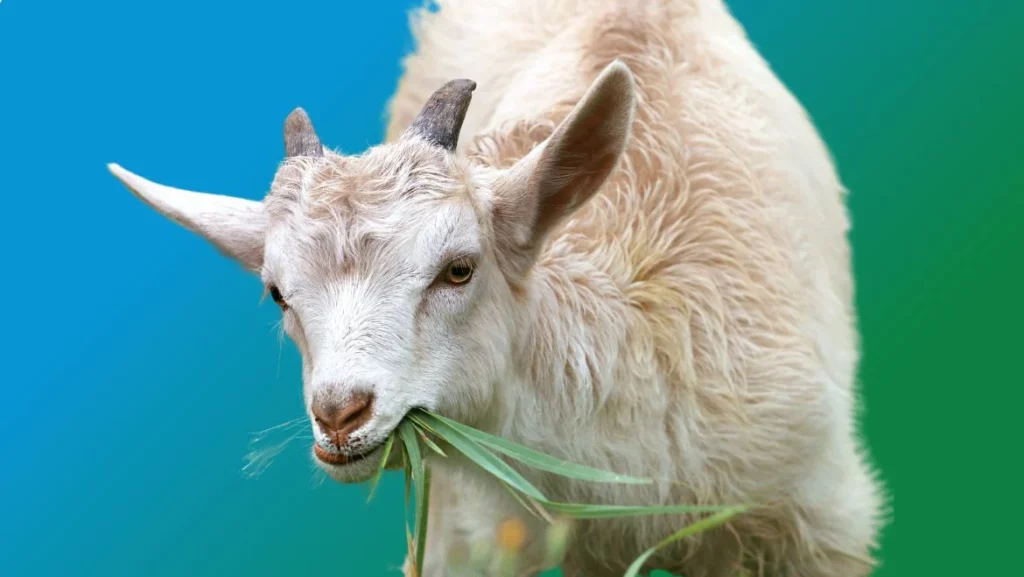
- Thor‘s chariot is pulled by two goats, Tanngrisnir and Tanngnjóstr, who can be eaten and then restored to life from their bones. Sustenance and regeneration, over and over.
The Key Viking Spirit Animals and Their Medicine
The Raven: Thought, Memory and the Cost of Knowing
The Raven is the first animal I look for when someone comes to me stuck in a decision. Raven does not comfort. Raven gathers information and brings it back whether you wanted it or not. Odin gave an eye for knowledge; Raven’s medicine always has a price attached, and the price is that you can no longer pretend you do not know.
The Wolf: Loyalty, Hunger and What Happens to the Chained
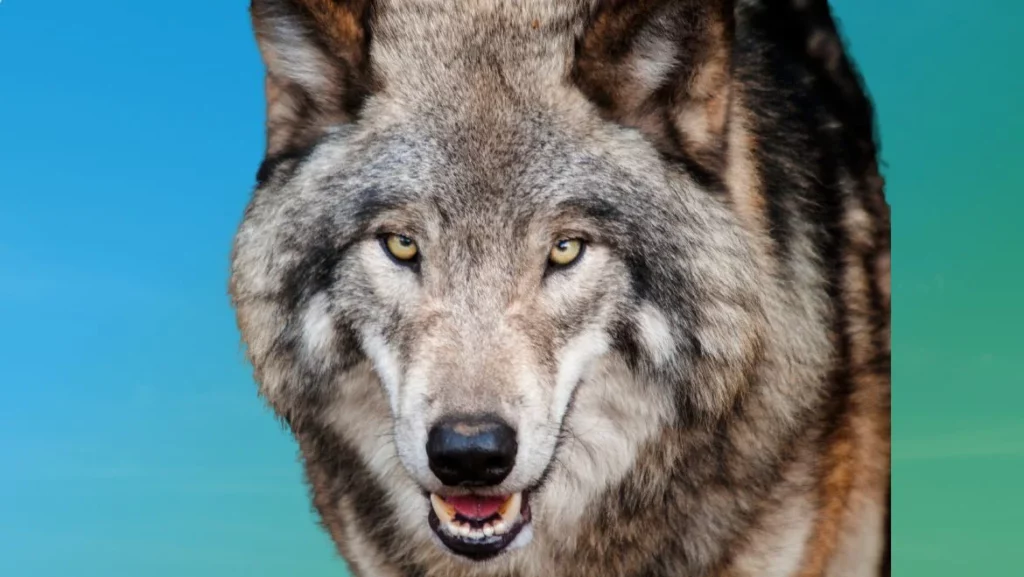
Wolves hold both poles of the Norse imagination. Fenrir, bound by a deception and destined to break loose at Ragnarök, is the image of a power so feared that it is chained rather than fed — and what is chained eventually breaks. Geri and Freki, at Odin’s table, are the same force welcomed. The Wolf asks one question of every person who meets her: are you feeding your wildness, or restraining it?
The Bear: Strength That Must Be Governed
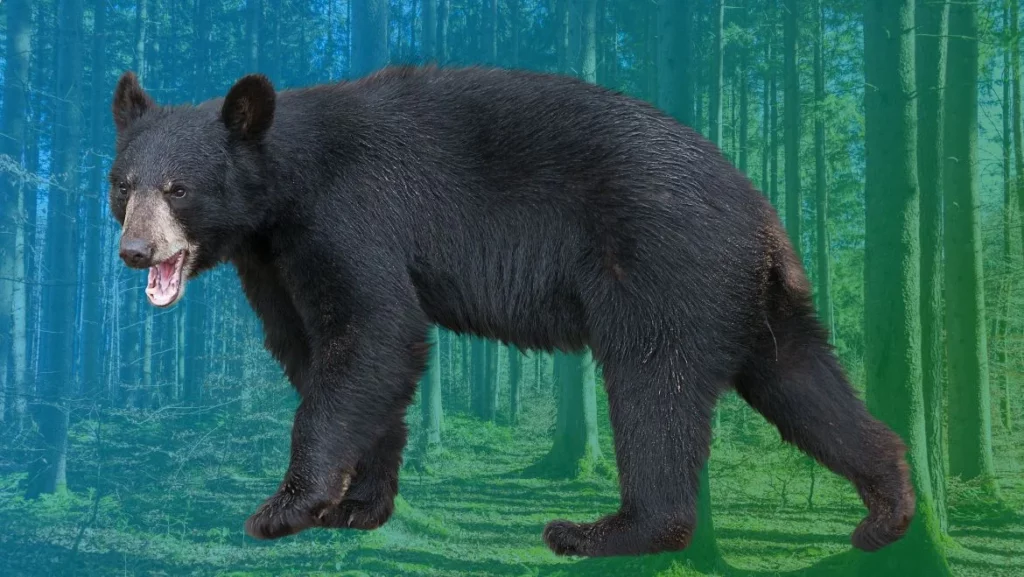
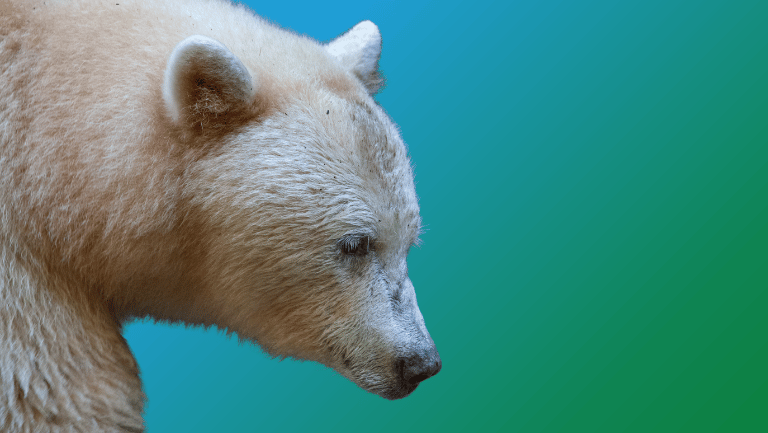
The Bear stands behind the berserkr — literally, most likely, the “bear-shirt” — the warrior said to fight in a trance of fury, insensible to wounds. Bear medicine is genuine power: the capacity to hold ground, to defend, to endure a winter. But the sagas are unusually honest about what unregulated fury costs. The berserker is feared by his own side too. Bear does not teach you to be strong. Bear teaches you to be strong and still in command of yourself.
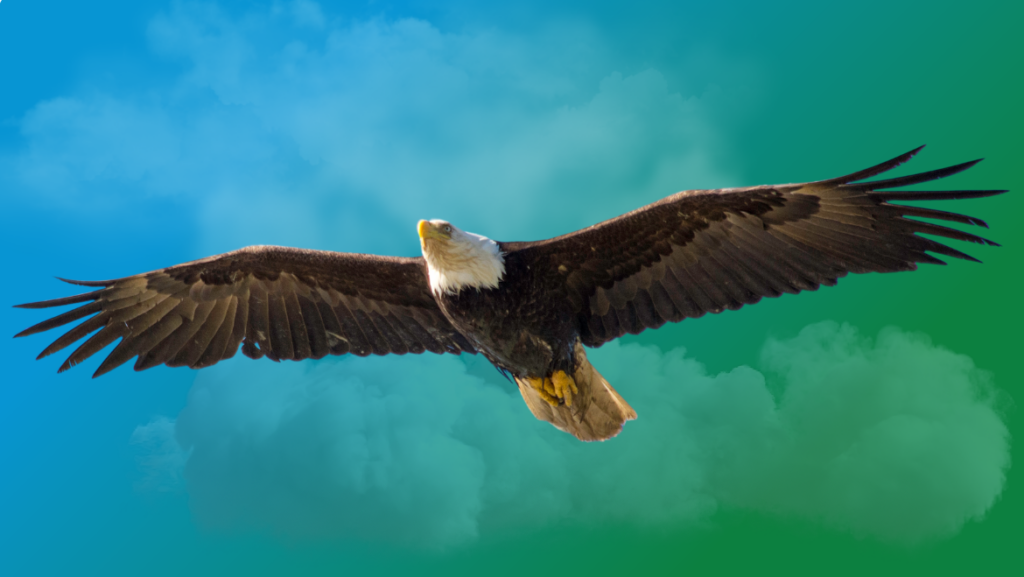
The Eagle: Perspective from the World Tree
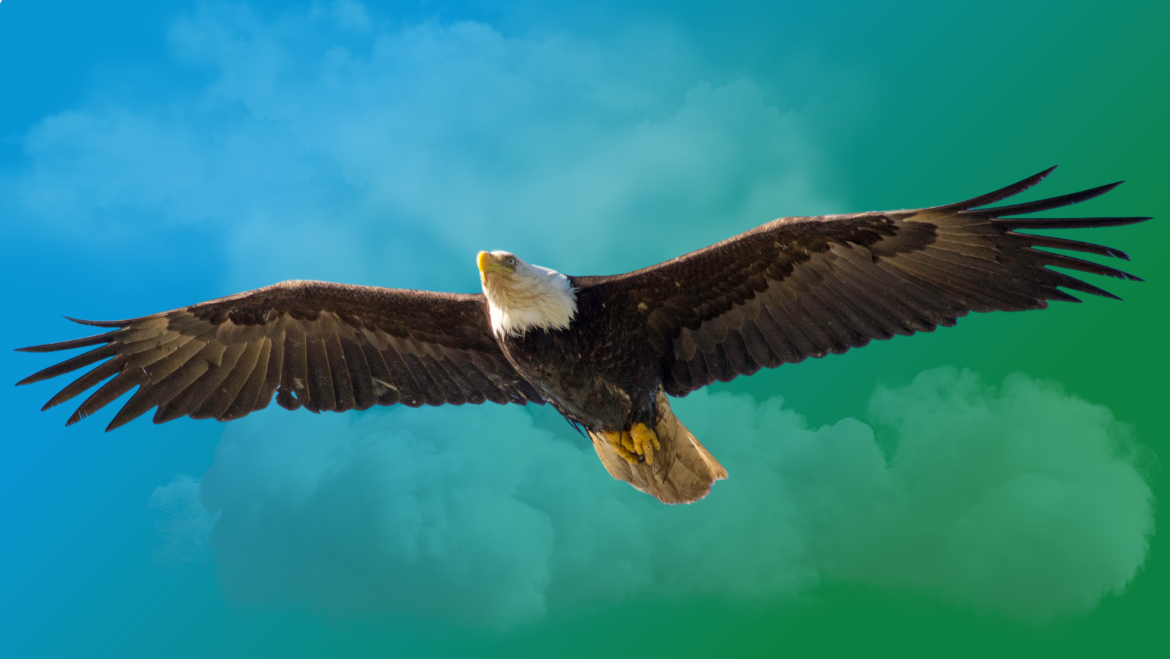
An Eagle sits at the crown of Yggdrasil, the World Tree, while the serpent Niðhöggr gnaws at its roots and a squirrel runs between them carrying insults. It is a perfect map of a certain kind of human misery: the high view and the low hunger, and the frantic messenger keeping the quarrel alive. Eagle medicine is the deliberate climb to the height from which the whole tree — not just your branch of it — becomes visible.
The Serpent: Encircling, Shedding, Returning
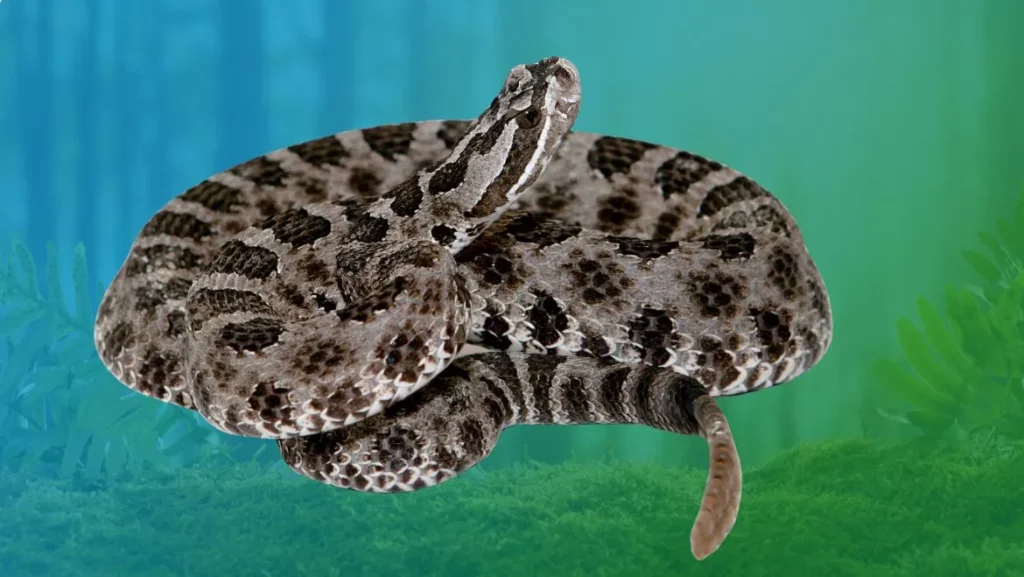
Jörmungandr, the Midgard Serpent, lies coiled around the entire world with his tail in his mouth. He is the boundary of the known, and he is also the cycle that will not stop. Serpent medicine is shedding: the disciplined, repeated abandonment of a skin you have outgrown but still find comfortable.
Cat, Goat, Horse and Dragon
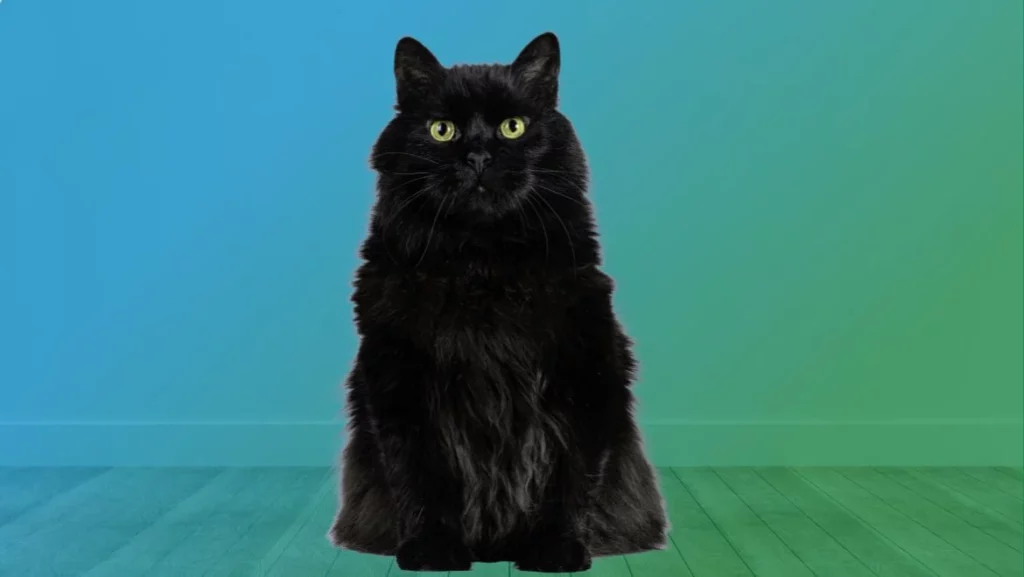
- The Cat, Freyja’s animal: mystery, independence, and a feminine power that is never obedient. Cats pull the goddess’s chariot — they are not tamed, they consent.
- The Goat, Thor’s animal: abundance, hardiness, and regeneration. The goat thrives where nothing else will and comes back from the bone.
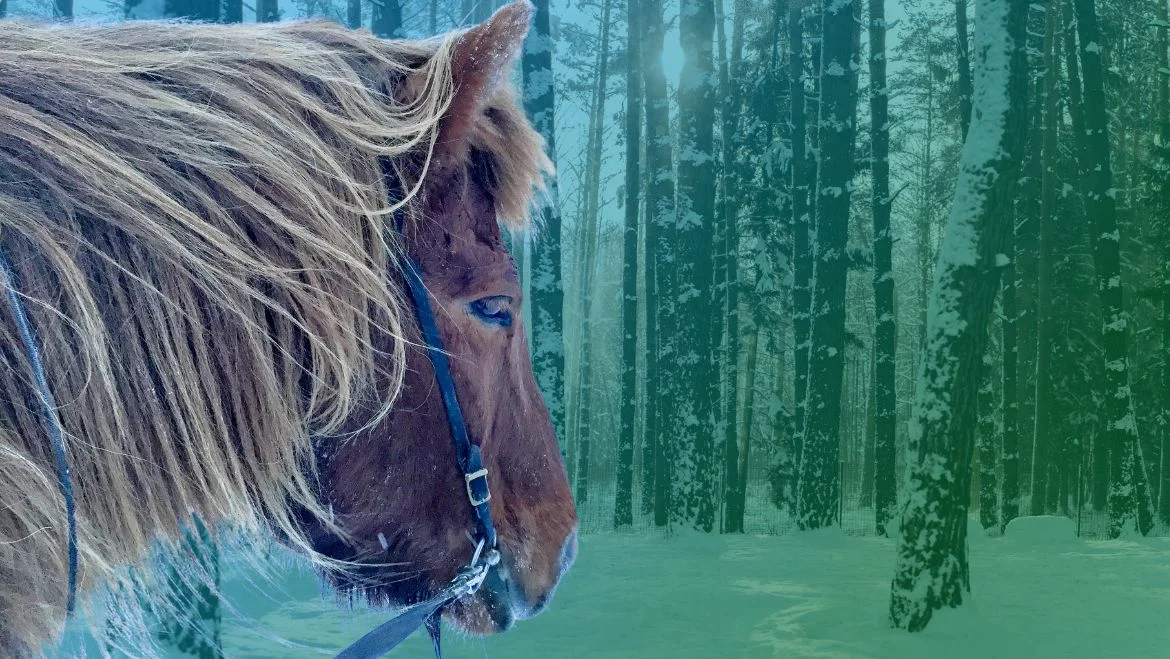
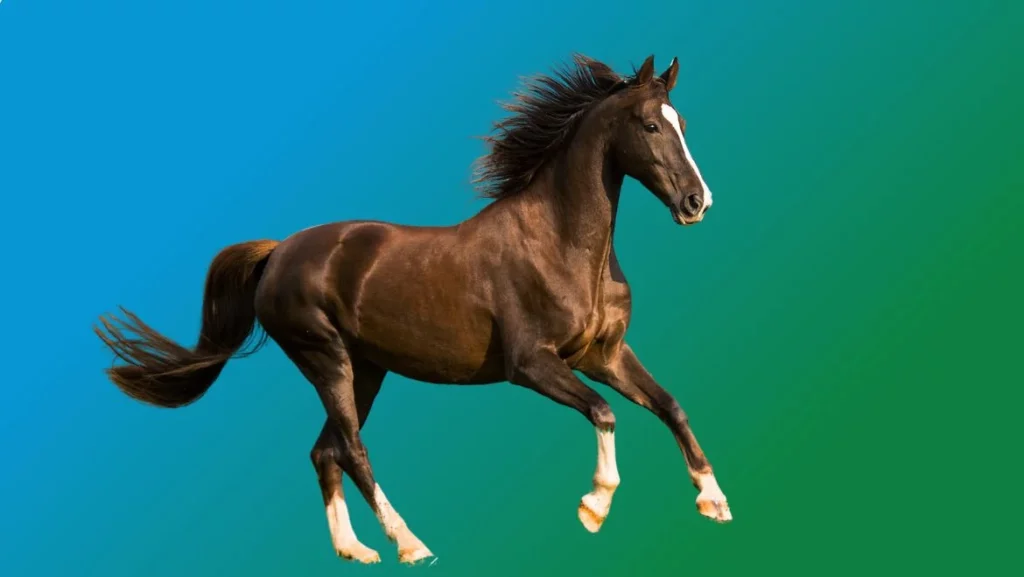
- The Horse: Sleipnir, Odin’s eight-legged mount, carries him between the worlds. The Horse is the shamanic vehicle itself — nobility, journey, and the crossing.
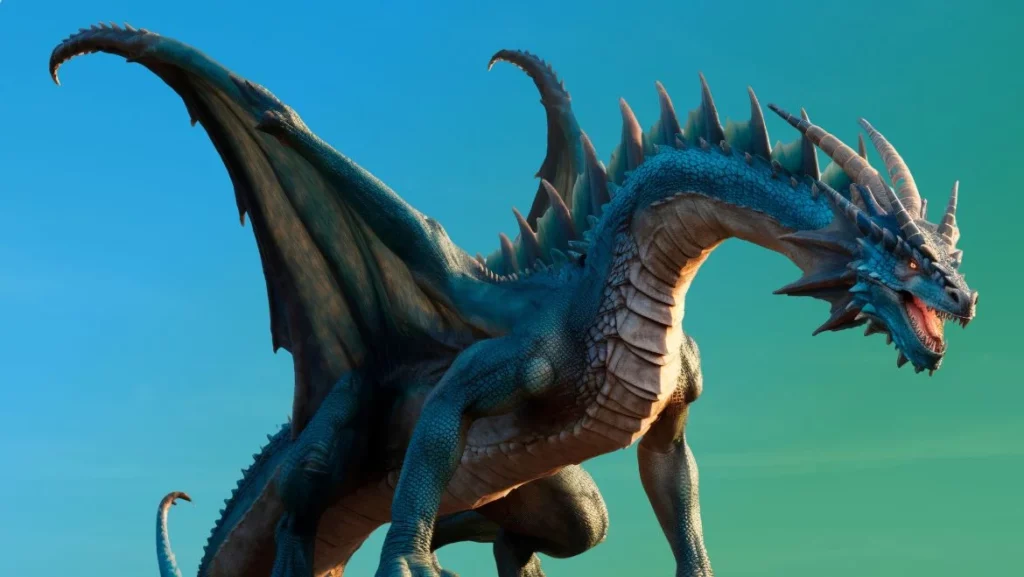
- The Dragon: the hoarding worm, Fáfnir, who was once a man and became a monster by refusing to share his gold. Dragon is transformation in its most cautionary form.
The Shadow Aspect: The Warning Medicine of the Norse Animals
This is the section most articles on Viking spirit animals leave out, and it is the one that matters most.
- Rage wearing the mask of courage. The berserker fantasy is seductive to people who are actually furious and have nowhere to put it. In sessions I see this constantly: someone reaches for Bear or Wolf when what they need is not more force but permission to grieve. Ask honestly: am I looking for strength, or for a licence to explode?
- The armoured lone warrior. Norse culture was built on kin, oath and obligation — not on solitary heroism. If your Viking animal is being used to justify not needing anybody, the fylgja is showing you an old wound, not a virtue.
- Fáfnir’s hoard. The dragon was a man who let what he owned eat him. Any guide that arrives while you are accumulating — money, status, grievances — and refusing to release, is asking whether you can still open your hand.
- The chained wolf. Recurring nightmares of being pursued or attacked by a wolf are, in my practice, rarely about danger from outside. They are the exiled instinct coming to be readmitted. What is chained does not disappear. It waits.
- A necessary note on misuse. Norse symbols and animals have been appropriated by extremist and white-supremacist groups. That is a real and documented distortion, and it has nothing to do with the sources. If you work with this material, work with it accurately and refuse the theft. Odin was a wanderer who traded an eye for wisdom, not an emblem of racial purity.
Practical Shamanic Work: Journeying to Meet Your Fylgja
This is the journey I give clients who want to meet a Norse guide rather than borrow one. Allow thirty minutes. Do not do it while distracted or intoxicated.
- Set an intention the guide can answer. Not “which Viking animal am I?” but: “What am I refusing to be responsible for?” The fylgja responds to accountability, not to curiosity.
- Prepare the container. Dark room, blanket, a steady drumbeat (roughly four beats per second) for 15–20 minutes. Lie down. Cover your eyes.
- Go to the tree. Travel to a real tree you have actually stood under. Put your hands on the bark. Ask permission. Then follow the roots down.
- State your name and your line. Speak your own name aloud, and the names of your parents and grandparents if you know them. The fylgja is a family spirit; announce the family.
- Wait — and do not audition animals. Let one come. Ask three times whether it is here for your highest good. If it will not answer, it is not your guide.
- Ask what it is following you to warn you about. This is the Norse question, and it is the one that gets an answer.
- Thank it and return at the callback beat. Write everything down before you speak to anyone.
The Oath Ritual: Integrating Norse Medicine
Norse culture ran on the spoken oath — a promise made aloud, in front of witnesses, that cost something to break. That is the integration practice, and it is more demanding than any affirmation. Within 48 hours:
- Make one oath, out loud, that is small enough to keep. Not “I will be brave.” Something like: “I will say the true thing to my brother on Sunday.”
- Name a witness. Tell one living person what you have committed to. An oath without a witness is a wish.
- Feed the wolf. Give the wild part of you one hour of what it actually wants this week — movement, weather, silence, making something. What is fed does not need to be chained.
- Honour the line. Light a candle and say the names of your dead. In this tradition, the guide and the ancestors arrive through the same door.
If you are new to this, begin with the fundamentals of shamanic journeying before attempting ancestral contact — and if you would like guidance in finding your spirit animal, that is exactly what I do with clients.
Affirmations from the Viking Spirit Guides
- “I embrace the courage and strength of the bear, standing tall in the face of adversity.”
- “With the wisdom of the raven, I seek deeper understanding and foresight.”
- “I embody the wolf’s loyalty and sense of community, valuing the strength found in unity.”
- “Like the eagle, I rise above, seeking freedom and a broader perspective.”
- “I welcome transformation and healing, guided by the serpent’s renewing energy.”
Norse Power Animals in Dreams and Visions
Context decides meaning. An animal that walks beside you is an ally confirming a direction you have already chosen. An animal that blocks your path is a boundary you are refusing to see. An animal that hunts you is almost always an exiled part of yourself demanding readmission — not a prophecy of harm. And in the saga tradition, an animal seen clearly and unmistakably is a signal that a decision is arriving whether you are ready or not. The correct response is not fear. It is preparation.
About the Author — Carolin Mallmann
I am Carolin Mallmann, founder of One Shamanism and author of The Path of the Paws. For over two decades I have worked with people as a coach, certified NLP practitioner and shamanic practitioner, guiding thousands of one-to-one sessions and training students internationally in shamanic journeying, spirit animal work and shadow integration. My own practice sits in a European lineage, and I name that plainly. Everything I write here comes from lived practice — my own journeys, my teachers, and the real, sometimes uncomfortable experiences of the clients I sit with. I do not promise miracles, and shamanic work is not a substitute for medical or psychological treatment. Read more about my background and practice here.


Leave a Reply