Scrying is the practice of gazing softly into a surface such as still water, rising smoke or dark glass until images, symbols or a quiet sense of knowing appear, which you then read as an answer to a question you brought. It is one of the oldest forms of divination, and you do not need a special gift to begin. You need a quiet room, one clear question and some patience.
In this guide I explain where scrying comes from, how water, smoke and glass differ, how to run your first session step by step and how to tell a real image from wishful thinking. Late October is a good time to start, because the evenings are long and many traditions see this as the season when the veil is thin.
What is scrying?
Scrying means looking into a reflective, moving or dark surface with a relaxed gaze, so that images can come up from inside you. The word comes from the old English “descry”, which means to make out something faint or far away.
The answer does not live in the bowl or the mirror. The surface gives your eyes something to rest on. The busy, thinking part of your mind quiets down, and images can rise from deeper in you. In that way scrying is close to the shamanic journey. Both use one simple, repetitive focus (a drumbeat, a flame, a bowl of water) to shift your state of consciousness.
Where does scrying come from?
Scrying shows up in many cultures and centuries, from bowls of water and polished stones to the metal mirrors on Siberian shamans’ costumes.
The historian of religion Mircea Eliade describes these mirrors in Shamanism: Archaic Techniques of Ecstasy (1951). Among some Siberian and Mongolian peoples, the mirror hung from the shaman’s costume was said to help the shaman see the world or to show where the souls of the dead had gone. In Europe the best known example is the black obsidian mirror that John Dee, adviser to Elizabeth I, used for his visionary sessions. It is now in the British Museum, and a 2021 study found that its obsidian came from Mexico and that the mirror was most likely made in the Aztec world.
Water, smoke or glass: which should you start with?
Start with water. A dark bowl of water is easy to set up, calm to look at and forgiving when you are new. Smoke works well if you notice movement more than stillness, and a black mirror is better once you have some practice.
| Surface | What you need | How images tend to come | Good for |
|---|---|---|---|
| Water | A dark bowl, water, one candle behind or beside you | Still pictures, colours, faces or shapes forming on the surface | First sessions and questions about feelings |
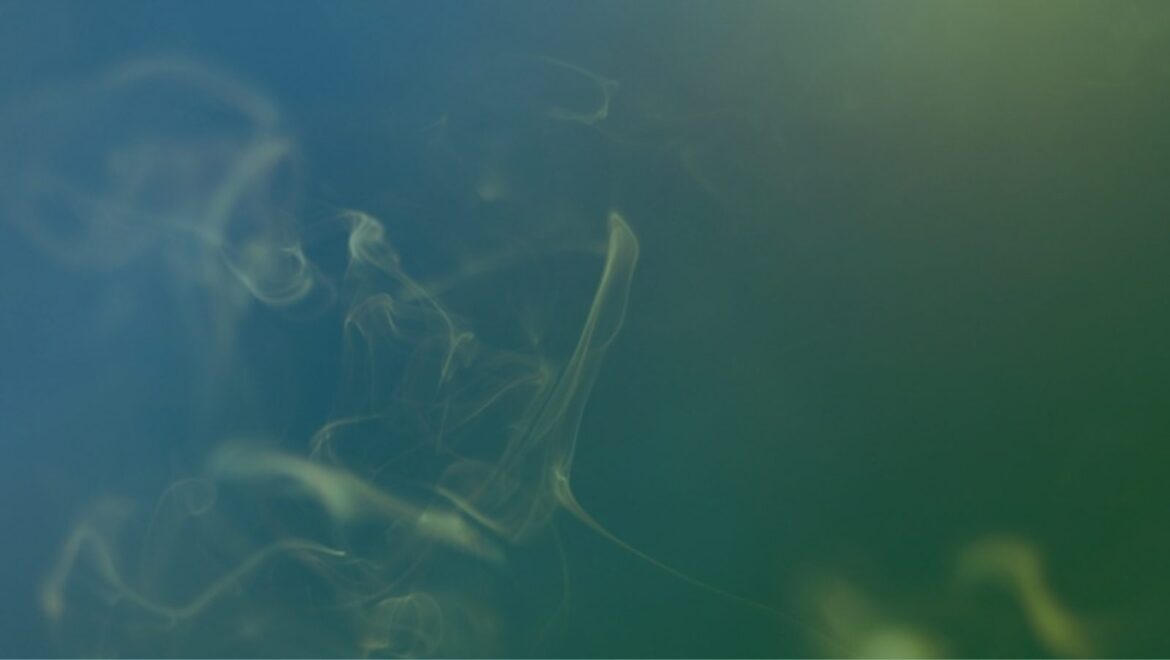
| Smoke | Incense or a small bundle of local dried herbs, a fireproof dish, an open window | Shapes that move and change, a sense of direction | Questions about change and timing |
| Glass | A black mirror, a piece of obsidian or a dark glass plate | Clearer images once you have practised, sometimes whole scenes | Regular practice and longer sessions |
| Candle flame | One candle in a dark room | Feelings and single shapes more than pictures | Short daily practice |
For smoke, local herbs work well. Rosemary, bay, lavender or mugwort from your own area give you plenty to look at, and you do not have to buy something that was gathered far away.
How do you scry for the first time?
Make the room dim and quiet, prepare your surface, bring one clear question, soften your gaze for ten to fifteen minutes and write down everything you noticed straight afterwards. This is the order I teach in my groups.
- Choose your time. Evening or early morning, when the house is quiet. Twenty minutes is enough.
- Prepare the space. Dim the light. Put the candle behind you or to the side, so its flame does not reflect straight into your surface.
- Set up the surface. Fill the dark bowl with water, light the incense, or set the black mirror at a slight angle in front of you.
- Ground and open. Sit with both feet on the floor, breathe slowly for a minute and say out loud that you only want to see what is true and helpful.
- Ask one question. Keep it open. “What do I need to see about my work right now?” works better than “Will I get the job?”
- Soften your gaze. Look into the surface, not at it, the way you look through a window at night. Blink when you need to and do not hunt for images.
- Notice everything. Shapes, colours, a word that comes into your head, a memory, a warmth in your chest. All of it counts.
- Close. Say thank you, empty or cover the bowl, put out the candle and write everything down before you talk to anyone.
How do you read what you see?
Read scrying images the way you would read a dream. First describe exactly what you saw, then ask what it says about your question, and only after that look at symbol books. Your own associations come first.
A simple method is to write three columns: what I saw, what it reminds me of, and what it might be saying about my question. A bird can mean freedom to one person and a missed chance to another. If you already work with cards, this will feel familiar. In Oracle Cards vs Tarot I explain why your own meaning matters more than fixed definitions.
How do you know you are not making it up? Images that come by themselves often surprise you. They arrive quickly and can feel a bit odd or very ordinary. Images you are producing tend to look exactly like what you hoped for, and you have to work to hold them. If you notice you are decorating a picture, stop, take a breath and look again.
What are the most common beginner mistakes?
Most beginners try too hard, sit too long and expect a film. Scrying usually starts small: a shadow, a colour, one shape that will not go away.
- Staring. Tense eyes bring on a headache and no images. Let your gaze go soft.
- Too much light. If the candle reflects in the water, your eyes keep going back to that bright spot.
- Too many questions. One question per session. The answers get muddled otherwise.
- Sitting too long. Ten to fifteen minutes of gazing is plenty at the start.
- Giving up after one try. Like journeying, scrying needs a few sessions. Try once a week for a month.
- Only counting pictures. A feeling, a sound or a word that comes up is just as much part of the answer.
From my practice: the open door
When I bring scrying into my groups, I nearly always start with water. Here in Portugal I like to do it outside on autumn evenings, with the bowls on a low stone wall while the last light goes. The water darkens slowly, and that slow change helps people settle.
One thing I see again and again: the people who see nothing for the first ten minutes often get the clearest image right at the end, once they have stopped trying. In one circle a participant saw only a grey blur for most of the session, and then a single open door. She laughed out loud, because she had come with a question about whether to start something new. The door did not tell her what to do. It showed her that part of her had already decided.
Scrying also pairs well with the shamanic journey. Some people scry first, then take the image they saw into a drum journey and ask it questions. If you would like to try this with a drum and a group holding the space, join us in the Lightkeepers’ Hearth journey circle.
Is scrying safe?
For most people scrying is a gentle practice. The main risks are tired eyes, smoke in a closed room and taking an image too literally.
Air the room when you work with smoke, never leave a candle burning on its own, and do not make a big decision based on one image. Treat what you see as one hint among others and not as the final answer.
If you are going through a mental health crisis, or if you sometimes find it hard to tell inner images from outer reality, please leave scrying aside for now and talk to your doctor or therapist. A practice like this can go alongside medical and psychological care, but it does not replace it.
Frequently asked questions
No. Scrying is a skill you build with practice. Most people see something, even if it is only a colour or a feeling, within the first few sessions.
Water in a dark bowl. It is easy to set up, calm to look at and does not need any special tools.
Ten to fifteen minutes of gazing is enough at the start, plus a few minutes to prepare and a few minutes to write down what you noticed.
That is very common at the beginning. Impressions often come as feelings, words or memories before they come as pictures. Relax your eyes, shorten the session and try again once a week.
No. Both change your state of consciousness, but on a journey you close your eyes and travel with a spirit helper to the drum, and in scrying your eyes stay open and you look into a surface.
You can, but you do not need to. Local herbs such as rosemary, bay, lavender or mugwort give just as much smoke to read and are easier to find.
You do not need a perfect setup or a black mirror to begin. A bowl of water, a quiet evening and one honest question are enough. Tell me in the comments: which surface are you drawn to, water, smoke or glass?