The cute spirit animals are the ones people are quietly embarrassed to receive. A client journeys hoping for a wolf or an eagle and meets a rabbit, a ladybug, a butterfly — and the first response is almost always a flicker of disappointment. Couldn’t I have got something more impressive? In more than two decades of shamanic practice, I have learned that this flicker is usually the first thing the animal came to work on. The gentle guides do not trade on status, which means you have to look at the actual gift instead of the glamour around it.
This guide is about the spiritual meaning of the cute spirit animals — what it means when one of these small, charming creatures keeps appearing in your journeys, dreams or waking life. This is about meaning, not about how endearing they look. The charm is real, but underneath every one of these animals is a medicine that is anything but soft.
Why the Cute Spirit Animals Are Worth Taking Seriously
A spirit animal’s meaning always grows out of how the real creature actually lives — and the “cute” ones live harder lives than their softness suggests. The rabbit survives by being hunted by almost everything. The butterfly has to dissolve completely before it flies. The panda holds onto a food source that nearly went extinct. When you look past the appearance to the behaviour, the gentleness stops being weakness and becomes a strategy that works. These guides tend to arrive for people who have been overvaluing the impressive and undervaluing the quiet, tender competence that actually runs their life.
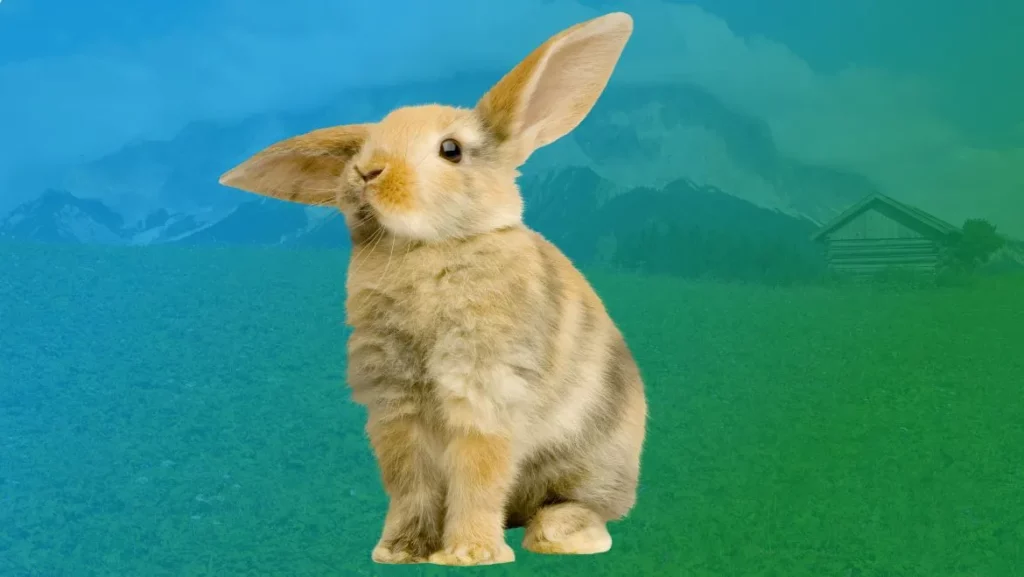
Rabbit: Alertness, Fertility and Moving Through Fear
The rabbit lives its whole life as prey, and survives through acute alertness, speed, and an extraordinary capacity to reproduce and renew. It freezes, then it moves. Rabbit medicine is the art of moving through fear rather than being paralysed by it, and of trusting in abundance and new beginnings. It arrives for people caught in anxiety. Its shadow is the freeze that never thaws — caution that has quietly taken over the whole life. For the full teaching, see the rabbit spirit animal guide.
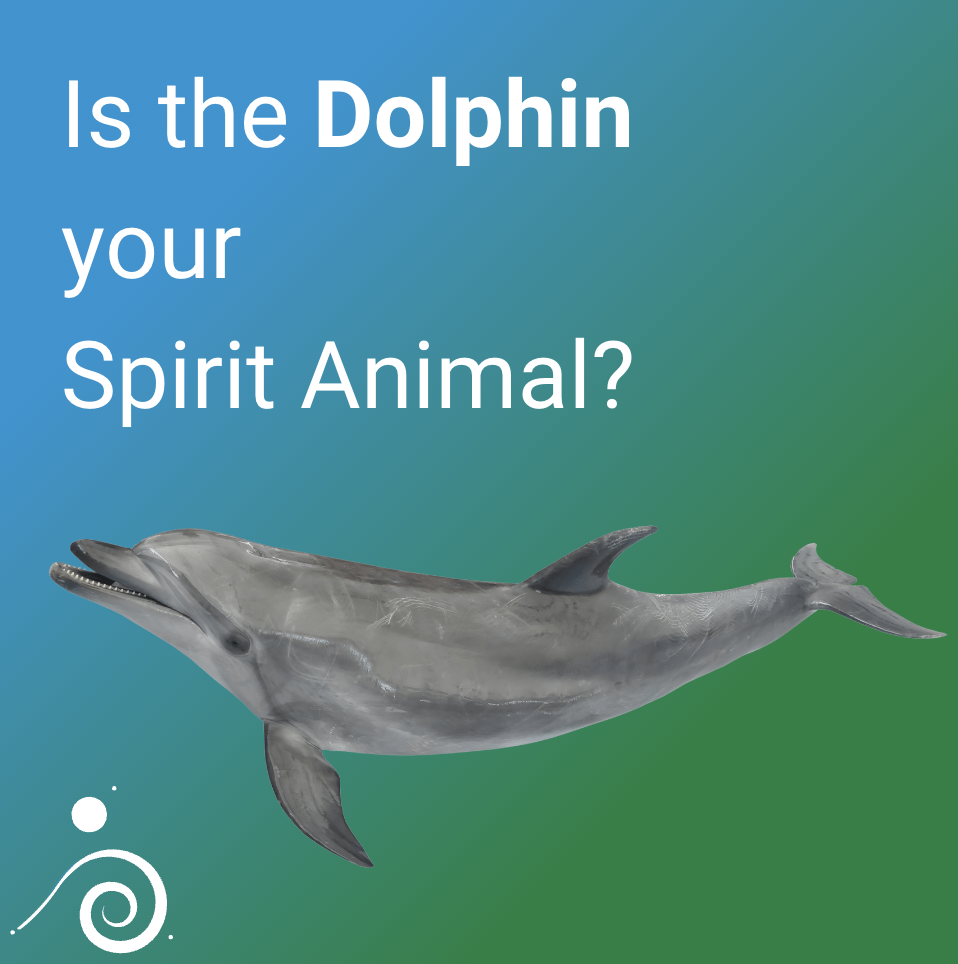
Dolphin: Joy as a Discipline
The dolphin is a conscious breather — she must choose every breath and surface deliberately for her entire life. Her playfulness is not frivolous; it is how she learns, bonds and stays flexible. Dolphin medicine is joy treated as survival rather than reward, and the emotional intelligence to feel something fully without drowning in it. She arrives for people who have gone grey with over-seriousness. Her shadow is the bright mask — relentless cheerfulness used to cover what has not been felt.
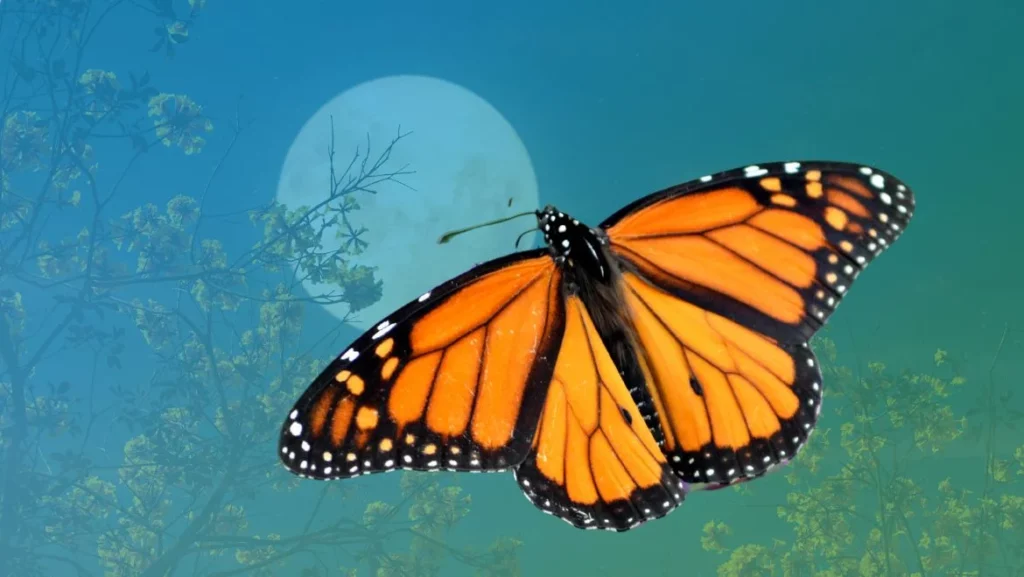
Butterfly: Transformation and the Stage No One Wants
The butterfly is the clearest image of transformation in nature — but the part that matters is the part we skip. Inside the chrysalis the caterpillar does not simply grow wings; it dissolves almost entirely and is rebuilt. Butterfly medicine is real change, and the formless, uncomfortable middle that real change requires. It arrives for people in the messy in-between, where the old self is gone and the new one has not yet formed. Its shadow is the flight from the chrysalis — chasing constant reinvention to avoid ever sitting in the dissolving. For more, see the butterfly spirit animal guide.
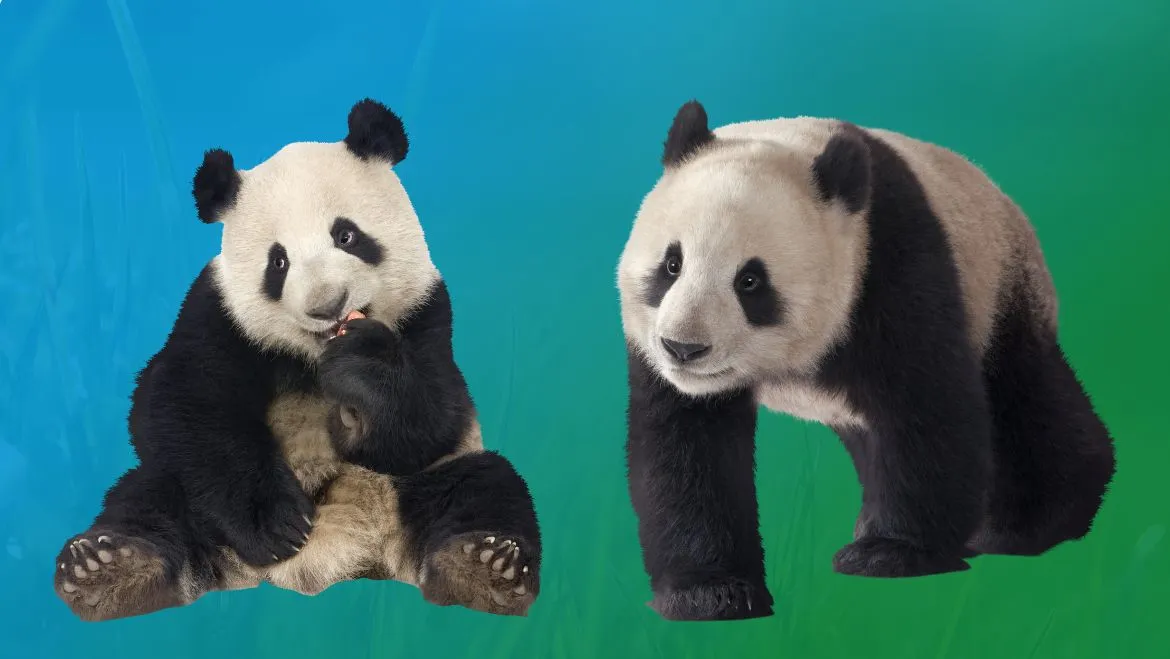
Panda: Gentle Strength and the Protected Pace
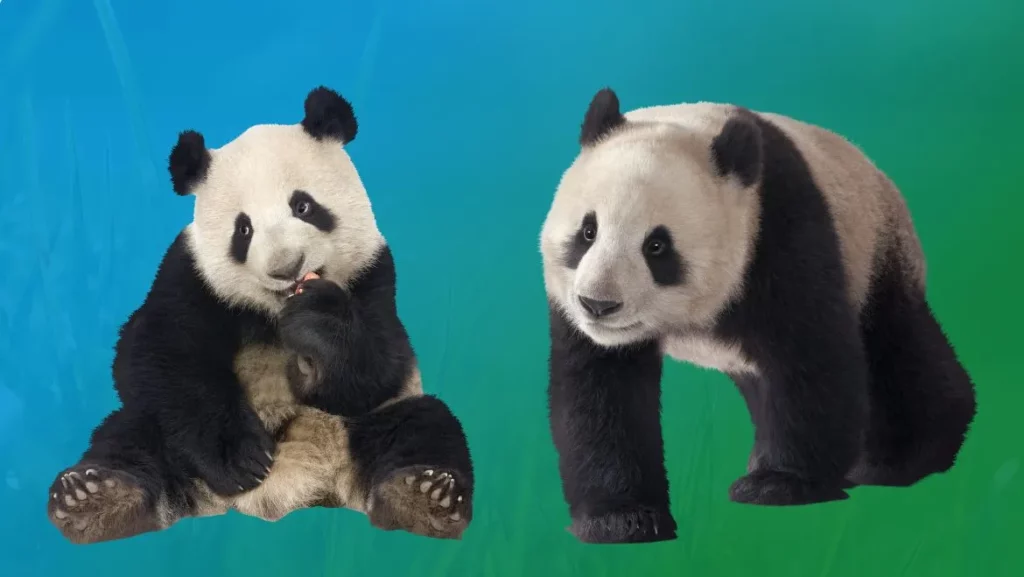
The panda is a bear — powerful, solitary, unhurried — who has arranged its entire existence around a single quiet food source and defends its slow, deliberate way of life. Panda medicine is gentle strength and the courage to protect your own pace in a world that demands speed. It arrives for people who are being rushed past their own rhythm. Its shadow is passivity dressed as peace — using “balance” and “slowness” as permission to disengage from a life that still needs you in it.
Ladybug: Luck, Delight and the Small Course-Correction
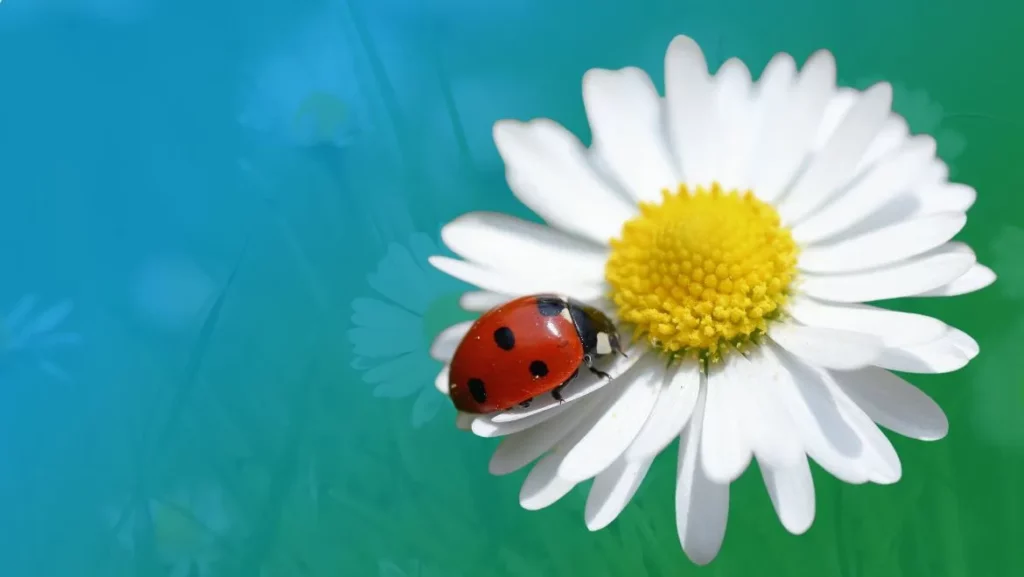
The ladybug is a fierce predator of the pests that destroy a garden — a tiny, bright-shelled protector doing unseen work — and across many cultures her arrival is read as a moment of grace or good fortune. Ladybug medicine is delight, trust and the reminder that small things tip the balance. She arrives when you have been striving too hard and have forgotten to let anything be easy. Her shadow is passivity waiting on luck — hoping for the small blessing instead of doing the small, decisive thing.
The Shared Shadow of the Cute Spirit Animals
These guides carry different medicines, but they share one shadow, and it belongs to the person receiving them: the reflex to underestimate them, and by extension to underestimate the gentle parts of yourself. The most common reaction I meet when a cute animal arrives is a quiet deflation — the sense of having been given a lesser gift. That reaction usually mirrors exactly how you treat your own softness, playfulness, and need for rest: as things to apologise for. If a small, charming animal disappoints you, it has already shown you something true — that you have been measuring worth by spectacle. The cute spirit animals arrive to correct that, gently and persistently, until you stop.
A Practice: Meeting the Guide You Almost Dismissed
Shamanic work is not a substitute for medical or psychological care. If you are new to journeying, begin with the step-by-step guide to finding your spirit animal. This short practice is specifically for working with an animal you were tempted to wave away.
- Name the disappointment. Say it plainly first: “The animal that came felt like too little because …” Whatever fills that gap is often the real work.
- Settle and descend. Lie somewhere undisturbed, let a steady drumbeat carry you, and travel down through a real opening in the earth.
- Invite the small one. Do not ask for something grand. Ask specifically to meet the gentle guide you were quick to dismiss.
- Watch what it does, not what it is. The rabbit’s stillness before the run, the butterfly’s dissolving, the ladybug’s landing — the behaviour is the message.
- Ask one question: “What gentle thing in me have you come to defend?” Then return and honour the answer with one small, real act within the week.
Whichever of these gentle guides is walking with you, treat its charm as the invitation rather than the whole story. To meet the full range of guides, explore the A–Z spirit animal guide.
Cute Spirit Animals: Questions People Actually Ask
What does it mean if my spirit animal is a cute or gentle one?
It usually means the medicine you need is not a forceful one. Gentle guides carry only their genuine gift, with no reputation to hide behind, which forces you to value the quality itself — tenderness, play, renewal, patience. If you feel disappointed by a cute animal, that reaction is often the first thing it came to work on.
Can a cute spirit animal be as powerful as a wolf or bear?
Yes — often more so, precisely because it is harder to romanticise. A rabbit’s courage in the face of constant threat, or a butterfly’s willingness to dissolve, can be exactly the correction a striving, over-forcing person needs. Power in this work is measured by how accurately the animal meets your situation, not by how impressive it looks.
Why do I keep seeing a small animal like a ladybug or rabbit?
Repetition is emphasis. When a small creature turns up again and again — in life, in dreams, on a journey — it usually means its particular medicine is exactly what your season is asking of you: to move through fear, to trust in luck and lightness, or to protect your own gentleness. The appearances often stop once you act on the message.
How do I know which of the cute spirit animals is really mine?
Look for repetition and for a physical response — an image that returns uninvited, and something in you that reacts when it does. To test the connection deliberately rather than choosing the one you find sweetest, work through the practice above or the step-by-step guide, and let the animal find you.