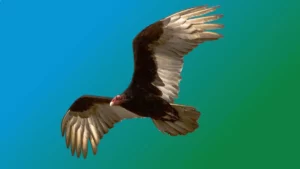
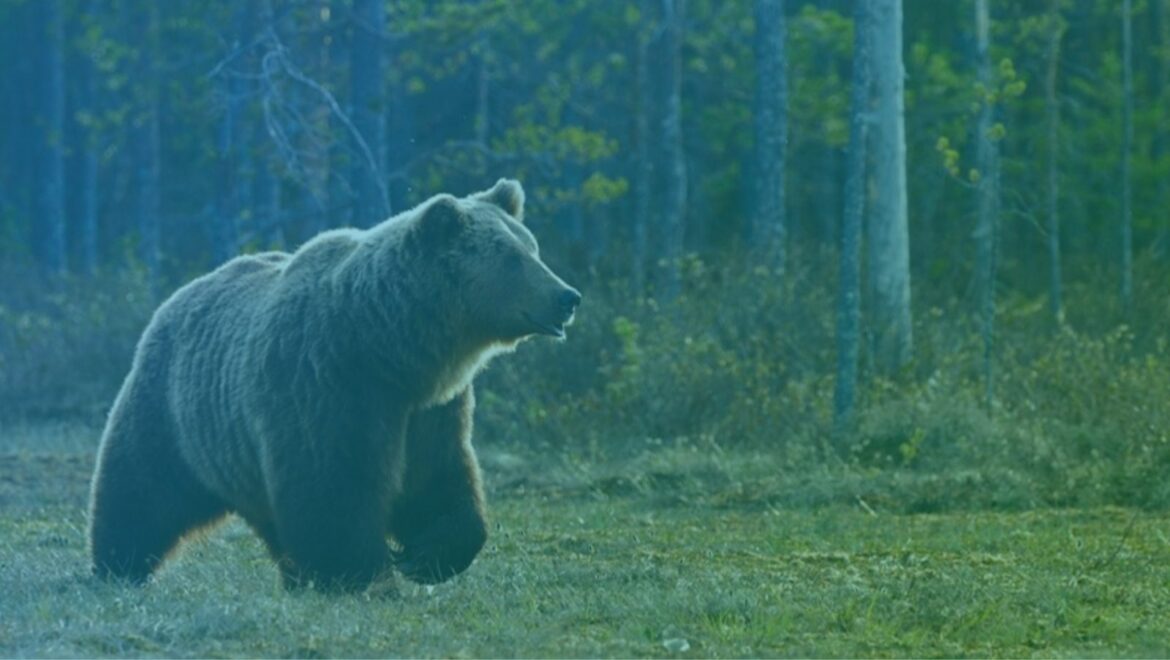
A spirit animal, or power animal, is a helping spirit in animal form that offers you protection, strength and guidance in shamanic practice. If your spirit animal is scary, that is not a bad sign in itself. Large, wild animals with teeth and claws often come precisely because they can protect you, and the fear usually says more about how close and real the contact feels than about any danger.
Still, fear deserves a proper answer, not a pat on the back. In this guide you will learn why frightening animals show up, how to tell a real ally from an image of your own fear, and what you can do on your next journey so the contact feels safe.
Why Would a Spirit Animal Frighten You?
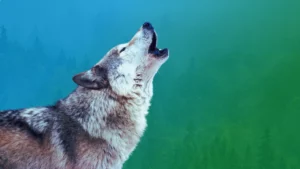
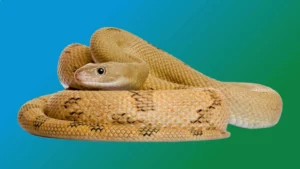
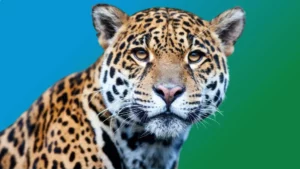
Most of the time a spirit animal frightens you because it is big, wild and fully alive, and you are meeting it at close range for the first time. A bear, a wolf, a snake or a big cat is powerful by nature. That power is the reason it can help you.
There are a few other common reasons:
- You have never met something this real. Many people expect a gentle, soft image. A journey can feel far more direct than that, and the shock is often just surprise.
- The animal mirrors something you avoid. Snakes, spiders or bats often carry themes like change, endings or the dark. I write more about this in The Animals That Frighten You Are the Ones Sent to Free You.
- Old fear is coming up. If you were bitten by a dog as a child, a wolf will touch that memory. That is your history speaking, not the animal.
- You are tired or ungrounded. Journeying when exhausted, stressed or late at night can colour everything with anxiety.
Fear and initiation have always been close in shamanic traditions. The historian of religion Mircea Eliade, in Shamanism: Archaic Techniques of Ecstasy (1951), describes how many future shamans first met their spirits in experiences that were terrifying, and how this frightening contact was part of becoming strong. You do not need anything that dramatic. But it helps to know that fear at the start of this path is old and normal.
Is a Scary Spirit Animal a Bad Sign?
No. A spirit animal that looks fierce is usually a sign of strength, not of danger. What matters is not how the animal looks, but how it behaves towards you.
In core shamanism, the method taught by Michael Harner in The Way of the Shaman (1980), students learn to pay attention to an animal’s behaviour. A helping spirit may be large and wild, but it does not attack you, chase you or try to harm you. An animal that keeps showing its teeth in an aggressive way towards you is treated with caution, and you simply do not take it as your helper.
The table below helps you sort what you met.
| What you notice | Probably a helping ally | Be careful, check again |
|---|---|---|
| Appearance | Big, wild, impressive, maybe strange | Appearance alone tells you nothing |
| Behaviour towards you | Calm, curious, stays close, may circle you | Attacks, chases or bares its teeth at you |
| How you feel afterwards | Shaken but stronger, more awake | Drained, small, anxious for days |
| Repetition | Shows up again in different places or journeys | Only appears when you are already afraid |
| Your body | Fear fades as you stay in contact | Fear rises the longer the contact lasts |
If you are unsure, a power animal retrieval with an experienced practitioner can give you a clear second view.
How Do You Tell a Real Ally From Your Own Fear?
A real ally stays steady while your fear moves. An image that comes from your fear changes with your mood, gets bigger when you panic and usually disappears when you calm down.
Three simple checks help:
- Ask it directly. In the journey, ask: “Are you my power animal?” A helping spirit answers clearly, often without words, by coming closer or showing itself several times.
- Watch the fear over time. Stay with the animal for a few breaths. With an ally, fear usually turns into respect or even warmth. With a fear image, it gets worse.
- Look at the days after. Real contact tends to leave you feeling more present and more yourself, even if the journey was intense.
Dreams can follow the same logic. If the animal also turns up in your sleep, you may find Dreaming of Animals: What It Means in Shamanism useful.
What Should You Do When Your Spirit Animal Frightens You?
Slow down, ground yourself and go back with protection and a clear question. You do not have to push through the fear, and you do not have to run from it either.
- Come back gently. If fear takes over during a journey, it is always fine to return. Follow the callback beat or open your eyes, feel your feet and breathe out slowly.
- Ground yourself. Eat something, drink water, walk barefoot on the ground or put your hands on a tree. Your body needs to know that it is safe in ordinary reality.
- Write it down. Note what the animal looked like, what it did and what you felt. Fear often loses some of its grip once it is on paper.
- Call your protection. Before the next journey, ask your teacher, a known helper or the spirit of the place to accompany you.
- Go back with one question. For example: “What do you want to show me?” or “How can you help me?” Then let the animal answer.
- Look up the animal afterwards, not before. Reading meanings first can fill the journey with expectations. Afterwards, the A-Z Spirit Animal Guide can help you understand what this animal often carries.
What I See in My Circles
In my journey circles, the most frequent question after a first journey is some version of “Is it normal that I was scared?” People expected a deer or a dove and met a bear, a crocodile or a huge black dog. Some come back almost apologetic, as if they did something wrong.
What I notice again and again is that the fear rarely lasts. When we go back together with a clear question and a bit of protection, the same animal that looked threatening often lies down next to the person, or walks ahead of them. The feeling changes from “it wants to hurt me” to “nothing gets past it”. That is usually the moment people understand why this animal came. A protector has to look like something you would not want to argue with.
I also tell people honestly when something does not feel right to me. If the animal stays aggressive over several journeys and the person feels worse afterwards, we stop, ground and look at it with fresh eyes. Not every image in the other worlds is a helper, and you are allowed to say no.
When Fear Needs More Than a Journey
If the fear stays with you for days, keeps you from sleeping or brings up old trauma, please talk to a therapist or doctor. Shamanic work complements psychological and medical care. It does not replace it.
This matters especially if you already live with anxiety, panic attacks or post-traumatic stress. Journeying can be a beautiful support, but it works best when you have solid ground under your feet and someone to talk to in ordinary life.
Frequently Asked Questions
A real helping spirit does not try to harm you. If an animal attacks you, chases you or leaves you drained and anxious for days, treat it with caution and do not take it as your helper. Ask a teacher or practitioner for a second view.
Snakes and spiders often come with themes of change, shedding the old and patient work in the dark. Many people find them frightening at first, and that discomfort is often part of what they teach. Stay curious and watch how the animal behaves towards you.
Yes. You always have the right to say no in a journey. If an animal does not feel right to you, thank it, leave it and ask for the helper that is meant for you. A real ally will usually come back in a way you can accept.
Yes, especially at the start. A journey can feel much more real than people expect. Fear usually eases with practice, good grounding and a clear intention before you start.
Not necessarily. Pause, ground yourself and go back later with protection and a clear question. If the fear stays for days or brings up old trauma, talk to a therapist and journey with an experienced guide for a while.
Has a spirit animal ever frightened you before you understood why it came? You are welcome to share what you met in the comments.