The turtle does not rush into a journey and it does not flee one. It is simply there when you turn around — ancient, unbothered, moving at a pace that seems to belong to a different clock than everything else in the landscape. And at some point, without drama, it draws its head and limbs inside its shell and becomes a closed stone. People often wait beside it for the whole journey, and only afterwards realise that the waiting was the teaching.
This page is about the turtle spiritual meaning — what it means when this creature keeps appearing in your dreams, your journeys, or the odd persistence of an image that will not leave. It is not about herpetology. In my practice the turtle arrives for people who have been forced to move faster than their own nature allows, and for people who no longer know how to close the door and rest.
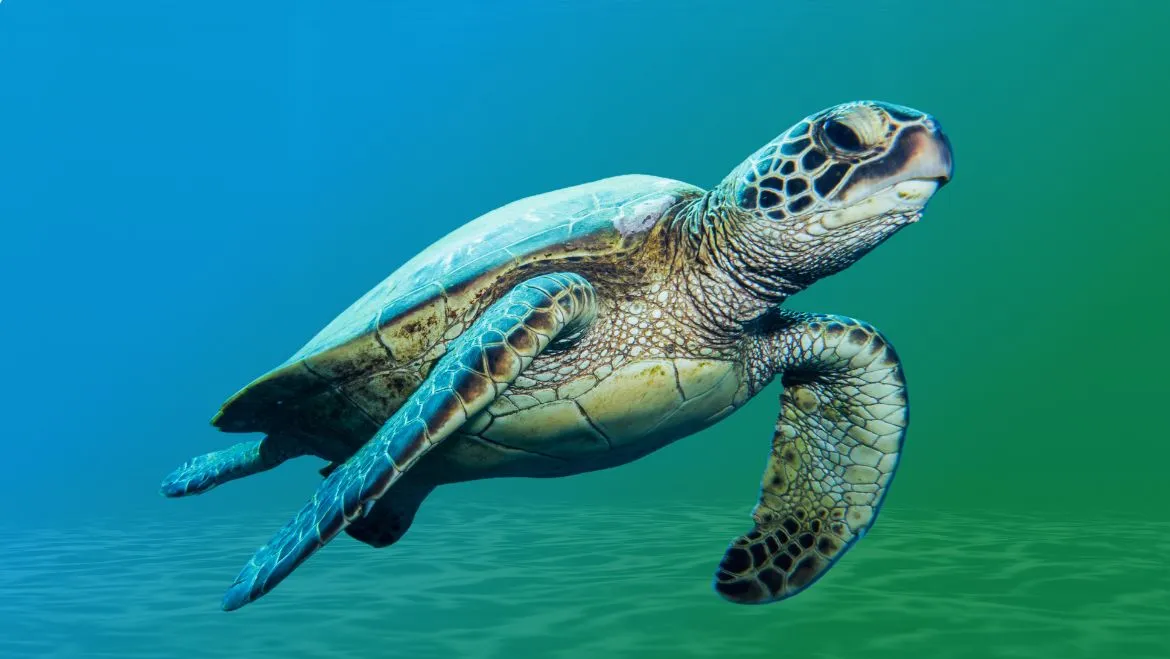
During my shamanic training I fell deeply in love with the sea turtle, the Honu, which is revered in Hawaiian tradition as an aumakua — an ancestral guardian and a navigator who always finds its way home. I reference that tradition with respect and no claim on its ceremonies, but the principle inside it is available to anyone: the turtle is not merely slow. It is a living map of how to carry your home with you and still find your way back to yourself.
The Bridge: What the Real Animal Teaches About the Turtle Spirit Animal
Honest animal medicine is anchored in the actual creature, and the turtle is one of the oldest and strangest bodies alive.
- Its shell is not armour it puts on. It is its skeleton. A turtle’s shell is fused to its spine and ribs — it cannot be removed, and the turtle can never step out of it. This is the turtle’s first and hardest teaching: your protection is not a coat you took off a rack. It is part of your structure, grown with you, and it cannot simply be dropped when someone tells you to be more open. The work is not to shed the shell. It is to learn when to draw in and when to come out.
- It plays a very long game. Turtles are among the longest-lived animals on earth; some individuals outlive the humans who first recorded them. Their metabolism is slow, their pace deliberate, their patience geological. The medicine is exact: a life built slowly, on a solid foundation, is not a life that is behind. It is a life that is being built to last.
- It finds its way home across an entire ocean. A sea turtle hatchling imprints the magnetic signature of its birth beach, swims thousands of miles, and decades later returns to the very stretch of sand it was born on to lay its own eggs. There is no cleaner image of inner navigation: something in you already knows the way back to where you began, even after years away and even when the surface gives you no landmarks.
- It can close the door completely. The turtle withdraws head and limbs and becomes unreachable — without apology, without explanation. It knows, in its body, when to be present and when to retreat. For many of the people I work with, this is the most confronting part of the turtle’s medicine: permission to say no, to close, to take refuge, without guilt.
Turtle Symbolism Across Traditions
The turtle is one of the few animals honoured almost everywhere it is found — as the bearer of the world, the keeper of time, and the oldest of the elders.
Hawaiʻi: the Honu, guardian and guide
In Hawaiian tradition the green sea turtle, the Honu, is a sacred aumakua — a family guardian spirit — and a symbol of endurance, wisdom and safe navigation. It carries the sense of a being that moves through vast and changing waters and always knows the way home. It is a living tradition belonging to the Hawaiian people, and what can be said respectfully from outside is that where the sea turtle was known best, it was treated as an ancestor rather than an animal.
Turtle Island: the world on a back
Among the Haudenosaunee and Anishinaabe peoples of northeastern North America, the earth itself is formed on the back of a great turtle — which is why many nations still call the continent Turtle Island. In these accounts, which belong to those nations, the turtle is the patient foundation on which the whole living world is built. The teaching that travels, offered with respect rather than as a claim, is that stable ground is something that has to be carried, quietly, by something willing to bear the weight.
India: Kurma, the turtle who holds up the churning
In Hindu tradition Vishnu takes the form of Kurma, the great turtle, to support Mount Mandara on his back while gods and demons use the mountain to churn the ocean of milk and draw out the nectar of immortality. The image is precise: the turtle is the still, load-bearing centre that makes transformation possible. Nothing can be churned into being without something steady underneath it holding the axis.
China: the Black Tortoise and the oracle shell
In Chinese tradition the Black Tortoise of the North is one of the four celestial animals, guardian of winter, water and longevity. And some of the very oldest Chinese writing survives on turtle shells — the oracle bones, heated until they cracked so that diviners could read the future in the lines. The turtle here is time itself made legible: the creature old enough, and patient enough, to hold the record and to be asked what is coming.
The Shadow: When the Shell Never Opens
The turtle is easy to sentimentalise as pure patience and wisdom, and that is exactly why its shadow goes unnoticed for years. Its gifts have precise distortions.
- The shell that has fused shut. The turtle’s power to withdraw is real medicine — and its shadow is the person who went inside once and never came back out. Protection that has calcified into permanent hiding is not a boundary; it is a wall with someone trapped behind it. The most common turtle shadow I meet is a deeply feeling person who has decided it is safer never to be reached, and calls that safety.
- Slowness that has become avoidance. “I am taking my time” is a beautiful phrase, and it has kept a great many people frozen in front of a decision for years. Real turtle patience moves — slowly, but it moves. The shadow is stillness with no direction, procrastination wearing the mask of the long game.
- Carrying your home so you never have to arrive. The turtle’s shell means it is at home everywhere — and its shadow is the person who is so self-contained that they never fully land anywhere or let anyone in. Self-sufficiency is a gift. Using it to avoid ever needing another person is a slow kind of loneliness.
- The overturned turtle. When people dream of a turtle flipped onto its back, legs waving, unable to right itself, the reading in my practice is almost always the same: a part of you that is usually grounded and capable has been knocked off its base and cannot get up on its own — and, crucially, it needs help it is too proud to ask for. That dream is not a threat. It is a request.
Wisdom of the Earth and the Sea: Tortoise and Sea Turtle
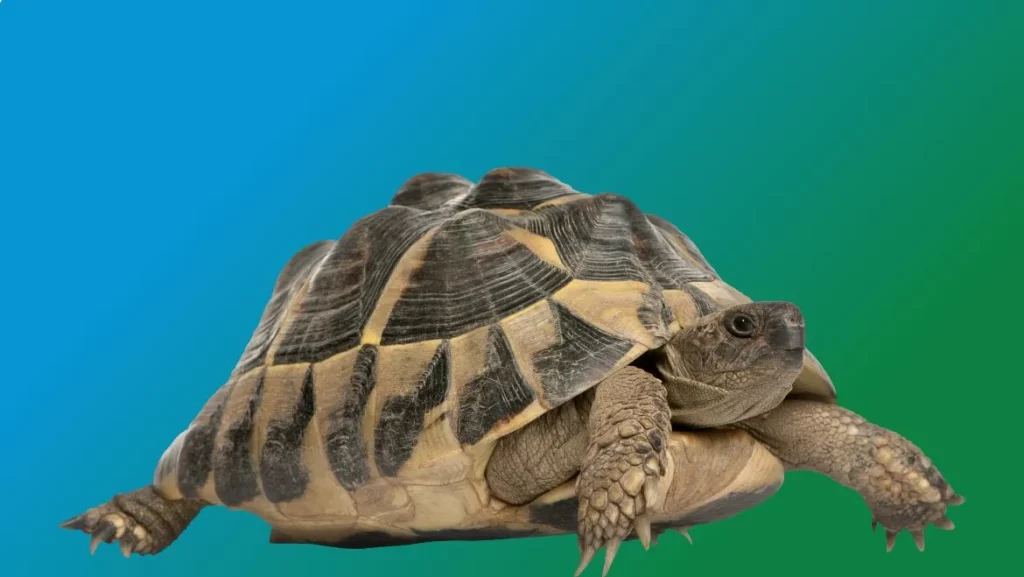
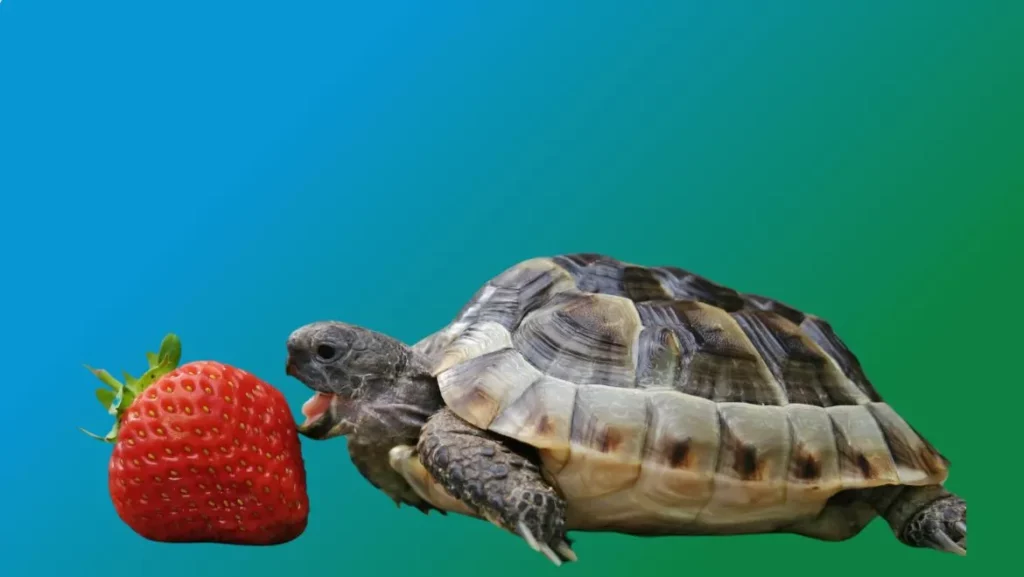
The tortoise is the earthbound elder — slow, grounded, and built for staying put. Its medicine is the deep patience of building something that lasts, of pacing yourself over a very long life, of finding security in a deliberate, tranquil existence. Tortoise people are not in a hurry, and they are almost always right not to be.
The sea turtle carries a different current. It is the master of flow — travelling vast distances, riding the ocean’s currents rather than fighting them, moving through the great emotional waters with grace and always trusting it can find its way home. Where the tortoise teaches you to stay and build, the sea turtle teaches you to move through deep feeling without drowning in it, and to trust the homing instinct that logic cannot explain.
How to Journey to the Turtle
Shamanic work is not a substitute for medical or psychological care. If you are new to journeying, start with the step-by-step guide to finding your spirit animal before working with the practice below.
- Set a turtle-shaped intention. Not “help me be more patient” but: show me what my shell is made of, and where I need to draw in or come out.
- Enter through water or old ground. A warm shallow sea, a slow river, the edge of an ancient pond. The turtle belongs to the threshold where water meets land; do not go looking for it on dry, hurried terrain.
- Match its pace. This is the whole practice. Do not chase it and do not hurry it. Slow your own inner tempo until it matches the turtle’s, and notice how much rises to the surface when you take the rush out.
- Ask to be shown your shell. What is it made of? Where is it strong, and where has it fused shut over a wound that has long since healed? Sit with this rather than answering it quickly.
- Ask the way home. The sea turtle always knows its natal beach. Ask the turtle to show you where your home is — not a place, but the inner state you were born knowing and have wandered away from.
- Integrate with one deliberate retreat. Within the week, take one honest withdrawal — an evening, a morning, a closed door — without apologising for it or explaining it. Then come back out. The turtle’s medicine is both halves of that, and most people only practise one.
Affirmations for Turtle Medicine
- “I carry my home within me — I am safe wherever I am.”
- “My pace is not a flaw. It is the pace at which I build things that last.”
- “I am allowed to withdraw without explanation and to come back out without apology.”
Turtle Spirit Animal: Questions People Actually Ask
What does it mean when a turtle crosses your path?
A turtle crossing your path is traditionally read as a call to slow down and trust the pace you are actually working at. Notice what you were pushing or forcing in the hours before you saw it — that is usually the subject of the message. The turtle rarely says “hurry.” It says the thing you are building is taking exactly as long as it needs to.
Is the turtle a good or bad omen?
Good, and an unusually reassuring one. Across traditions the turtle is a symbol of longevity, protection, grounding and safe passage. It is not a warning animal. When it appears it tends to signal that steadiness, patience and a return to your own foundation are the way through — which is genuinely good news, even when it is not the fast answer people were hoping for.
What does a turtle in a dream mean?
Read the shell and the water. A turtle swimming steadily speaks of emotional life moving as it should. A turtle withdrawn into its shell points to a need for protective solitude — or, if the dream is anxious, asks whether you are protecting yourself or hiding. An overturned turtle points to being knocked off your base and needing help you have not asked for.
What is the difference between turtle and tortoise medicine?
They are close but distinct. The tortoise is earthbound — its medicine is groundedness, staying put, and building a stable, lasting life. The sea turtle is a creature of flow — its medicine is moving through deep emotional waters, navigating change, and finding your way home across distance. If the creature that came to you was on land and still, lean toward tortoise; if it was in water and travelling, lean toward sea turtle.
How do I know if the turtle is my spirit animal?
It tends to claim people who are old souls in temperament — patient, self-contained, protective of their inner world, and quietly resistant to being rushed. Persistence is the test: whether the image keeps returning uninvited. For a structured way to explore it, work through the A–Z spirit animal guide or sit with the Path of the Paws oracle deck. If it is the carried home and the slow pace you most recognise, read the snail spirit animal next.
Is the Turtle Your Spirit Animal?
Check the boxes that resonate with your spirit and current life journey.
The turtle does not arrive to make you faster, and it will not tell you that you are behind. It arrives to remind you that you have carried your home this whole time — and that the steadiest path, walked at your own pace, is the one that actually arrives.