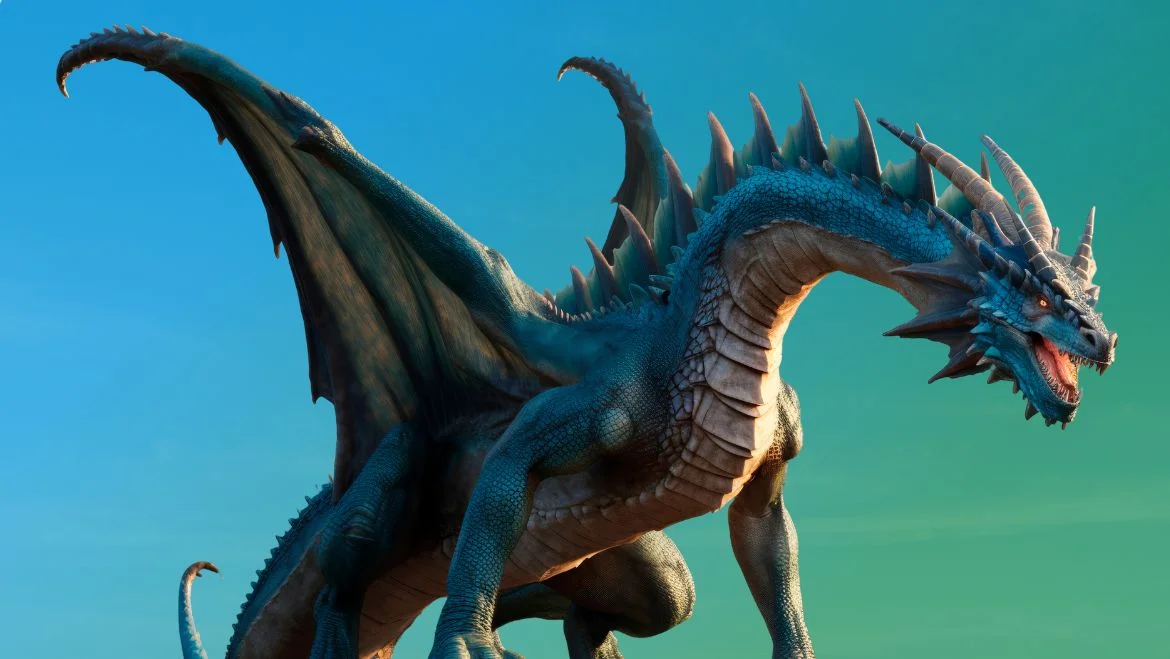
The first time the dragon comes through on a journey, most people describe the same thing: not a vision so much as a pressure. The air seems to thicken, the chest tightens, and there is the distinct sense of standing near something enormous that could, if it chose, end you — and has decided, for now, not to. The dragon does not arrive to reassure. It arrives when a person is sitting on far more power than they have admitted, and it has come to ask what they intend to do about it.
This is about the dragon spiritual meaning — what it means when the dragon keeps turning up in your dreams, your journeys, and the stories and images you cannot stop returning to. In my practice the dragon rarely comes for the timid. It comes for people who have buried something large — a talent, an anger, an ambition, a truth — because it once felt too dangerous to hold, and who have guarded that buried thing so long they have forgotten it is theirs to spend.
The Bridge: What the Dragon Myth Says About Its Meaning
The dragon is not a single animal but a pattern the human imagination built on nearly every continent, and the pattern is unusually consistent. Three features recur, and each one is the medicine.
- It guards a hoard it never spends. From Fáfnir on his gold to Smaug under the mountain, the dragon sits on treasure it cannot use. Read as medicine, this is the exact image of buried potential: the person who accumulated a gift, a strength, or a fortune of feeling and then coiled around it, guarding rather than living it. The dragon asks the question no one wants: what are you hoarding that you never actually spend?
- It commands an element. Across traditions the dragon rules fire, water, storm, or the deep earth. It is the archetype of raw elemental force under a single will, and its arrival asks whether your own power is disciplined or merely dangerous.
- It lives at a threshold. Cave, sea-bottom, the edge of the storm. The dragon guards what is hidden, which is why it so often stands between a hero and the thing they must claim. To reach the treasure, you go through the dragon — never around it.
Dragon Symbolism Across Traditions
East Asia: the dragon as blessing
In Chinese tradition the dragon (lóng) is overwhelmingly benevolent — a bringer of rain, rivers and good fortune, associated with the emperor and with the generative power of water itself. This is not the treasure-hoarding monster of the West but a force of life and flow. In Japan dragons are largely water deities and guardians. Where the European dragon must be slain, the East Asian dragon is honoured — a difference worth holding, because it asks whether the power you are facing is an enemy to defeat or a force to befriend.
Europe: the dragon as the thing that must be faced
Western material runs the other way. From the Mesopotamian Tiamat, the primordial chaos defeated by Marduk, to Saint George and the countless dragon-slaying knights, the European dragon is the obstacle, the hoarder, the embodiment of a chaos that order must overcome. But read closely, the slaying is almost always the making of the hero. The dragon is not there to be avoided; it is there to be met, and the meeting is the whole point.
The Celtic and elemental dragons
In Celtic and later esoteric tradition the dragon is sorted by element — fire, air, earth and water — each carrying a different face of the same force: transmutation, insight, grounded power, and emotional depth. This is a useful map in practice. When the dragon comes, it is worth asking which element it is made of, because that tells you which kind of power in you is asking to be claimed.
The serpent beneath the dragon
Everywhere, the dragon is a cousin of the serpent — Apophis in Egypt, the Rainbow Serpent in Aboriginal Australian creation stories (a being that belongs to specific communities and is referenced here with respect, not ownership), the feathered serpent of Mesoamerica. What the serpent adds to the dragon is shedding: the dragon is not only power, it is power that renews itself by dying to an old form. That is its deepest teaching.
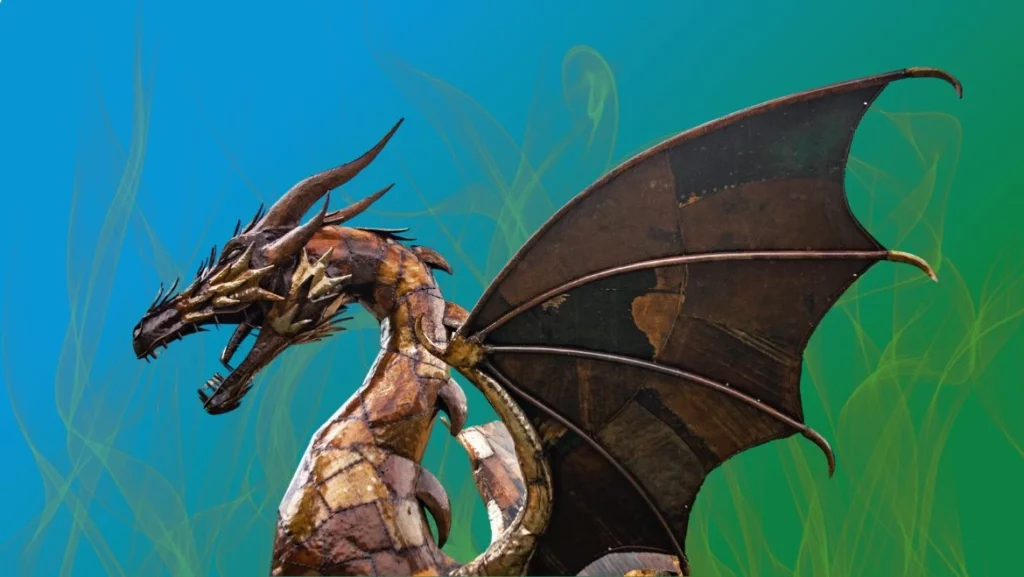
The Shadow: When the Guardian Becomes the Jailer
The dragon’s shadow is one of the most important in this whole collection, because our culture rewards it right up until it burns the house down.
- The hoarder. Power kept and never used. The person who sits on a real gift for decades, guarding it against risk, and calls the guarding wisdom. A hoard defended forever is indistinguishable from a hoard you never had.
- The scorched field. Fire is the dragon’s gift and its catastrophe. Unmetabolised anger, aimed at everyone who comes near and dressed up as strength. If your power keeps costing you the people around you, the dragon has come to talk about the fire, not to fan it.
- Greed and grandiosity. The dragon’s shadow inflates: my power, my specialness, my exception. It is the spiritual ego that has confused a genuine gift with a licence.
- The dragon in the nightmare. When the dragon appears hunting you, blocking the path, or breathing fire in a recurring dream, the reading I use in practice is rarely that an external threat is coming. Far more often it is your own disowned power, grown huge in the dark from neglect, now demanding to be faced. The fear is the size of what you buried.
How to Journey to the Dragon
Shamanic work is not a substitute for medical or psychological care. If you are new to this, start with the beginner’s guide to shamanic journeying before attempting the practice below.
- Name the hoard. Before you begin, name the thing you have been guarding and not spending — the talent, the anger, the ambition, the truth. The dragon meets accuracy, not wishful language.
- Descend to where it lives. A cave, the bottom of a lake, the inside of a mountain. Do not approach from above like a conqueror. Go down, and go slowly.
- Do not fight it, and do not flatter it. The dragon respects neither the hero with the sword nor the supplicant. State plainly why you have come.
- Ask what element it is. Fire, water, air, or earth. This tells you which power in you is asking to be claimed, and how it wants to be handled.
- Ask to see the hoard. Whatever the dragon is guarding is a picture of what you have buried. Look at it honestly, and ask what it would cost to begin spending it.
- Ask one question on the way out: what would I do if I stopped guarding this and started using it?
- Return, and take one real action within the week. Dragon power that stays in the journal calcifies back into hoard.
Affirmations for Dragon Medicine
- “The power I buried was always mine to spend.”
- “I can hold great force and still choose where it burns.”
- “I meet what I have been guarding instead of guarding it forever.”
The Path of the Paws
42 hand-illustrated oracle cards, one for each animal guide — drawn from the same practice these articles come from. A way to sit with an animal instead of only reading about it.
Order your deck →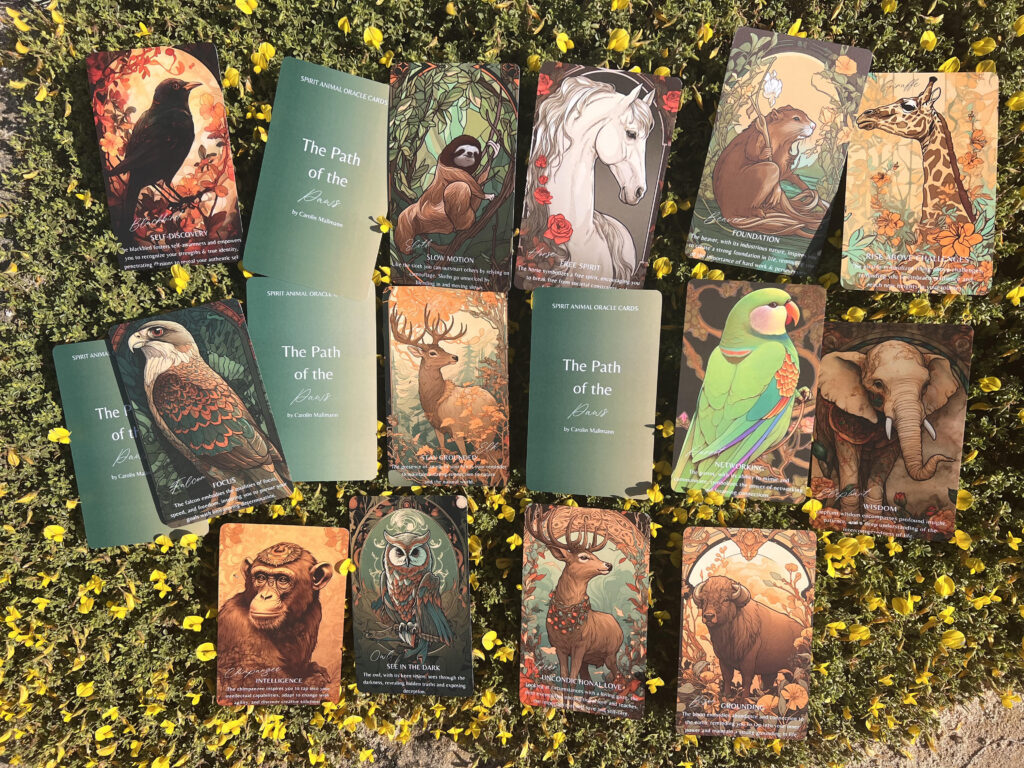
Is the Dragon Your Spirit Animal?
Check the boxes that resonate with your spirit and current life journey.
Dragon Spirit Animal: Questions People Actually Ask
What does the dragon spirit animal mean?
The dragon spirit animal represents buried power asking to be claimed and used. It arrives for people carrying a large, unspent force — a gift, an anger, an ambition — and it asks them to stop guarding it and start spending it wisely. Unlike gentler guides, the dragon does not soothe; it confronts. Its message is almost always about the responsible use of a strength you have been afraid to admit you have.
Is a dragon a good or bad omen?
Neither, and the split is cultural rather than spiritual. In East Asian tradition the dragon is a blessing of rain and fortune; in European tradition it is the monster the hero must face. Both are true at once: the dragon is power, and power is neither good nor evil until it is aimed. What decides the outcome is whether you meet it consciously or let it rule you from the dark.
What does it mean to dream of a dragon?
Read the fire and the direction. A dragon that flies with you or lets you approach speaks of power becoming available and integrated. A dragon that hunts, blocks, or burns you is usually your own disowned strength, grown large from neglect, demanding to be faced rather than a literal threat. A sleeping dragon on a hoard points to a gift you are sitting on and not using.
What is the difference between the dragon, the phoenix and the snake?
They are close kin. The phoenix is about death and literal rebirth through fire; the snake is about shedding and healing; the dragon combines both with sovereign power and the guardianship of what is hidden. If your guide is about renewal, look at the phoenix; if it is about transformation and medicine, the snake; if it is about claiming and wielding buried force, it is the dragon. To meet whichever one is yours, the A–Z spirit animal guide is a good starting point.
The dragon does not come to make you powerful. You already are. It comes to end the long, respectable habit of pretending you are not.