Can your birthday reveal your spirit animal? Not in the literal way the internet often promises. A spirit animal is a helping spirit in animal form — a guide, protector, and teacher you meet through direct inner experience, not a label calculated from your date of birth. Your birthday can be a beautiful doorway into this exploration, but the animal that truly walks with you is found through relationship, not arithmetic. Here is the honest, grounded answer — what birthday and zodiac systems can offer, where they fall short, and how to actually meet your own.
What is a spirit animal, really?
A spirit animal is a helping spirit that takes animal form to guide, protect, and teach you. In shamanism — humanity’s oldest spiritual practice — you meet this ally through a shamanic journey: a drum-guided inner voyage into the spirit world. The animal is not a personality quiz result or a mascot. It is a living relationship, and like any relationship it deepens over time. Anthropologist Michael Harner, who brought these practices to the modern West as “core shamanism,” described the power animal as a source of vitality and protection that people across every continent have worked with for tens of thousands of years.
This matters for the birthday question, because it tells us something important: in the shamanic tradition, no one is assigned a spirit animal by an outside system. You encounter it directly. If you want the fuller picture of how these terms overlap, see spirit animal vs. power animal vs. totem.
Can your birthday reveal your spirit animal?
Not literally — but it can point you in a direction. In shamanism, spirit animals are met through journeying and lived experience, not determined by a birth date. The popular systems that match a birthday to an animal — Western zodiac spirit animals, so-called “Native American birth totems,” Celtic animal signs, the Chinese zodiac — are astrological or cultural frameworks, not shamanic ones. They can be genuinely useful as mirrors for self-reflection, and they are often a person’s first spark of curiosity. But they describe archetypes tied to a calendar, not the living guide that shamanic practice reveals.
Think of it like this: a birthday system hands you a general map of a region. A shamanic journey introduces you to the specific being who lives there. Both have value — they simply answer different questions.
Birthday spirit animal systems, compared
Here are the four systems people most often mean when they search for a “spirit animal by birthday,” what each is actually based on, and what it is genuinely good for.
| System | Based on | Example | Best used for |
|---|---|---|---|
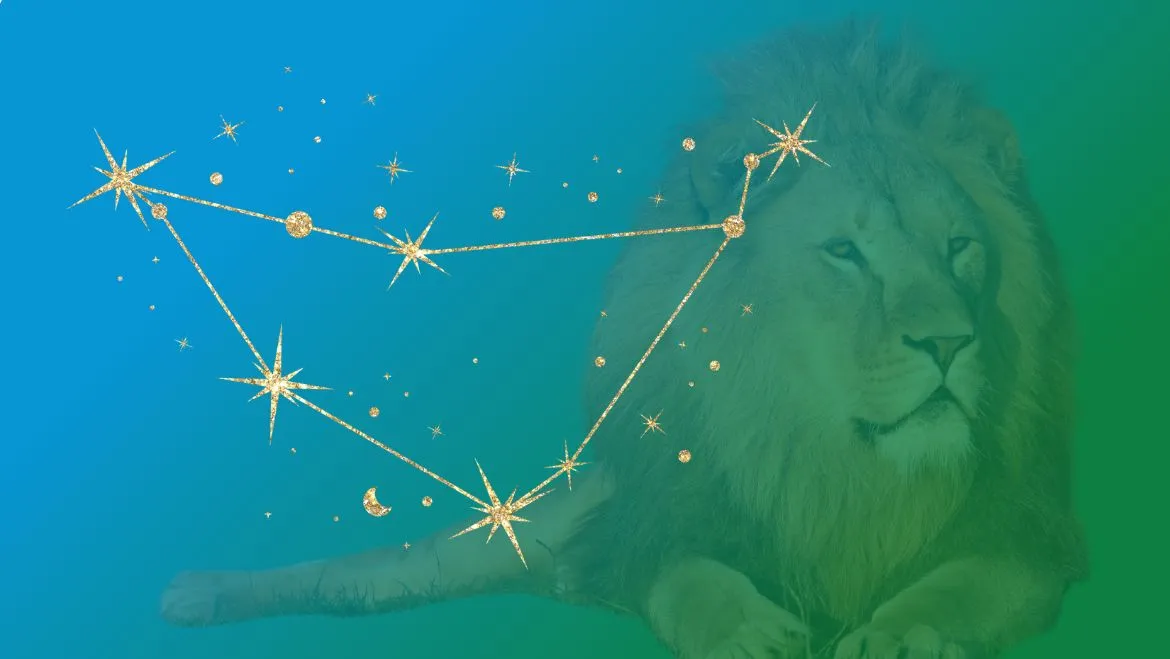
| Western zodiac animals | Sun sign (birth month) | Leo → Lion, Aquarius → Wolf | Reflecting on core traits and archetypes |
| “Birth totem” zodiac | Season of birth | Spring births → Hawk or Beaver | Curiosity — but treat with cultural respect |
| Celtic animal signs | Birth date + tree calendar | Varies by date range | Seasonal, nature-based self-inquiry |
| Chinese zodiac | Birth year | Year of the Tiger, Rabbit, etc. | Cultural symbolism and personality lore |
A gentle note on the second row: the “Native American birth totem” charts that circulate online are largely a modern invention and are not drawn from any single Indigenous tradition. Enjoy them as playful self-reflection, but hold them lightly and with respect — real Indigenous animal relationships belong to specific living cultures and ceremonies.
What your birthday can — and can’t — tell you
Your birthday is a wonderful starting point and a poor final answer. Here is the honest split:
- It can spark curiosity and give you a symbolic archetype to reflect on.
- It can offer language for qualities you already sense in yourself.
- It can be a doorway — the first “what if?” that leads you toward real practice.
- It can’t introduce you to the specific animal that walks with you.
- It can’t replace direct experience, which is where shamanic relationship actually lives.
- It can’t account for how a spirit animal may change across the seasons of your life.
How to actually find your spirit animal
The most reliable way to meet your spirit animal is through direct experience rather than a chart. Here is a simple, grounded path you can begin today:
- Set a clear intention. “I wish to meet a spirit animal who is here for my highest good.”
- Create a calm, safe space. Dim the lights, silence your phone, lie down comfortably.
- Use a shamanic drumming track. A steady four-to-seven beats per second carries the mind into a light trance.
- Journey to the lower world. Imagine a familiar opening in the earth — a cave, a tree root, a spring — and travel down.
- Notice which animal appears and shows itself to you more than once. Repetition is the classic sign of a genuine ally.
- Return, and write it down. Thank the animal, come back with the drumbeat, and journal what you saw and felt.
If you would like the full method, our spirit animals home guide walks you through the practice step by step. And if you would rather have the journey done for you, the Power Animal Finder is a personal reading where I journey on your behalf and bring back your animal’s name, its picture, and the message it has been carrying for you.
My honest take, from years of practice
I’ll be honest with you: I love that zodiac and birthday animals exist. For many of the people I work with, a “Leo lion” or an “Aquarius wolf” was the very first thread that pulled them toward shamanism. It gave them permission to wonder. But in more than a decade of journeying — for myself and for others — I have never once met a person whose true power animal matched their zodiac chart by coincidence more than any other way. The animal that comes is the one that comes. Sometimes it is gentle where the person expected fierce; sometimes it is a creature they would never have picked for themselves. That surprise is exactly how you know it is real, and not a projection of what you hoped to find.
So let your birthday open the door. Then step through it — and go and meet who is actually waiting.
Frequently asked questions
Is a zodiac spirit animal the same as a shamanic spirit animal?
No. A zodiac spirit animal is an archetype linked to your birth sign, useful for reflection. A shamanic spirit animal is a helping spirit you meet through journeying and build a real relationship with over time.
Can I have more than one spirit animal?
Yes. Most people work with one main power animal at a time, but you can have several allies across your life, and they may change as you grow and your needs shift.
Do “Native American birth animal” charts come from a real tradition?
Mostly no. The birth-totem charts that circulate online are a modern creation, not drawn from a specific Indigenous culture. Enjoy them lightly and respectfully, and don’t mistake them for authentic tribal teachings.
Can my spirit animal change over time?
Yes. A spirit animal often stays for a season of your life and steps aside when a new one is needed. This is one reason a fixed birthday label can’t capture the living, changing nature of the relationship.
What if I journey and no animal appears?
That is completely normal, especially at first. Try again on another day, relax your expectations, and trust whatever shows up — even a fleeting glimpse. Persistence and patience matter more than talent.
Do I need my exact birth time to find my spirit animal?
No. Because a true spirit animal is met through experience rather than calculated from your chart, you don’t need your birth time, birth place, or any astrological data at all. You only need a quiet space and a willing heart.
About the author. I’m Carolin Mallmann — shamanic practitioner, Certified NLP Trainer (Society of NLP), and founder of One Shamanism. I work at the meeting point of ancient wisdom and modern psychology, what I call Grounded Magic. I’ve spent over a decade journeying for myself and the people I guide, and I believe your oldest allies are closer than you think.
Note: Shamanic practice is a path of spiritual and personal exploration. It can beautifully complement — but does not replace — professional medical or psychological care.
Further reading: Michael Harner, The Way of the Shaman (1980); Mircea Eliade, Shamanism: Archaic Techniques of Ecstasy (1951).