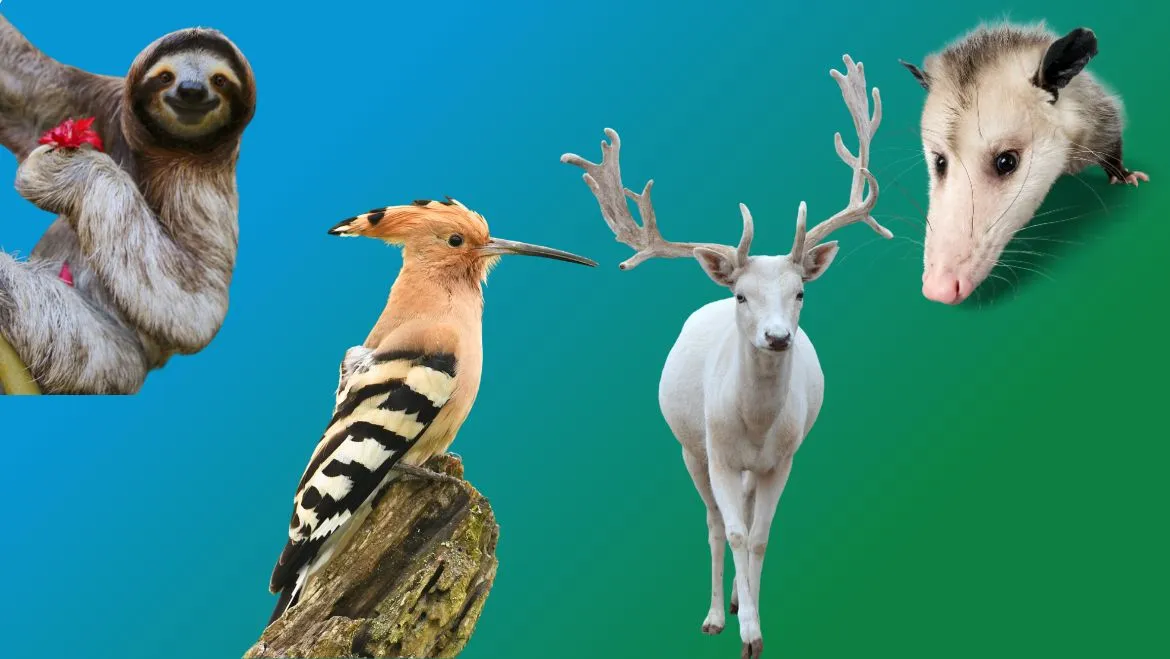
The showy guides get all the attention — the wolf, the eagle, the bear. But in more than two decades of shamanic practice, I have noticed that the animals which change people most are rarely the impressive ones. They are the overlooked ones: the slow, the plain, the faintly ridiculous, the ones you would never choose from a deck. When a sloth, a yak, a hoopoe, a possum or a white stag arrives on a journey, people almost always feel a flicker of disappointment first — couldn’t I have got something grander? — and that flicker is usually the first thing the animal came to work on.
This guide is about the unusual spirit animals and their meanings — what it means when one of these less obvious creatures keeps appearing in your journeys, dreams, or waking life. This is about meaning, not biology. If you came to learn what a hoopoe looks like, you are in the wrong place. If a strange, unglamorous animal has been turning up and you want to know why, stay.
Why the Unusual Spirit Animal Arrives at All
A guide always grows out of the real animal. The medicine is not imagined on top of the creature; it is read directly off how it lives. And the reason the strange animals hit so hard is precisely that they cannot trade on status. A wolf can coast on its reputation. A possum cannot. So when a possum comes, it comes carrying only its actual gift — which means you have to look at the gift itself rather than the glamour around it. In my experience these guides tend to arrive for people who have been overvaluing the impressive and undervaluing the quiet competence that actually runs their life.
The Sloth Spirit Animal: The Power of Slow
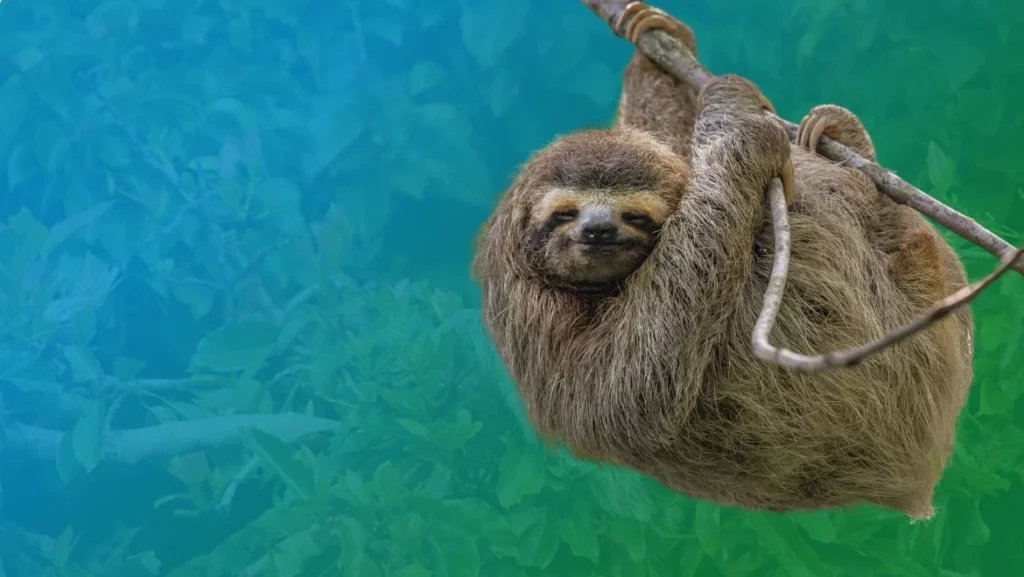
The sloth is treated as a joke about laziness, and that reading misses everything. A sloth moves slowly because it is one of the most energy-efficient mammals alive: it survives on a diet almost nothing else could, by refusing to waste a single unnecessary movement. Its slowness is not incapacity. It is precision about where energy goes. So the sloth spirit animal arrives for people running on empty who still believe the answer is to move faster. It asks a harder question: not how do I do more? but what am I spending energy on that does not feed me? Its shadow is the collapse into stagnation — using “slowing down” as a permission slip to stop living entirely. The sloth conserves in order to survive, not in order to hide.
The Yak Spirit Animal: Endurance in Thin Air
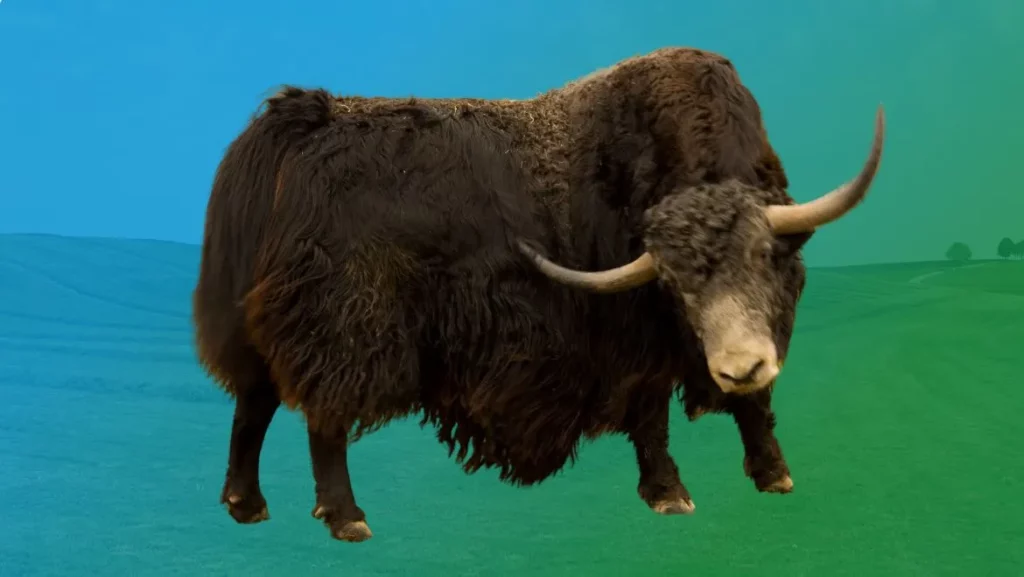
The yak lives where almost nothing else can — the high, oxygen-starved plateaus of the Himalayas — and it does not merely survive there; it carries. It hauls loads across ground that would kill a lesser animal, and it stays warm by growing its own dense coat rather than seeking shelter. The yak spirit animal carries the medicine of endurance and service in hard conditions, and it tends to arrive for people who are carrying a great deal through a bleak stretch. Its gift is the capacity to keep going when the air is thin. Its shadow is the beast of burden who has forgotten it is allowed to be unloaded — the person so identified with carrying that they no longer notice the weight, or believe anyone would help them set it down.
The Hoopoe Spirit Animal: The Digging Messenger
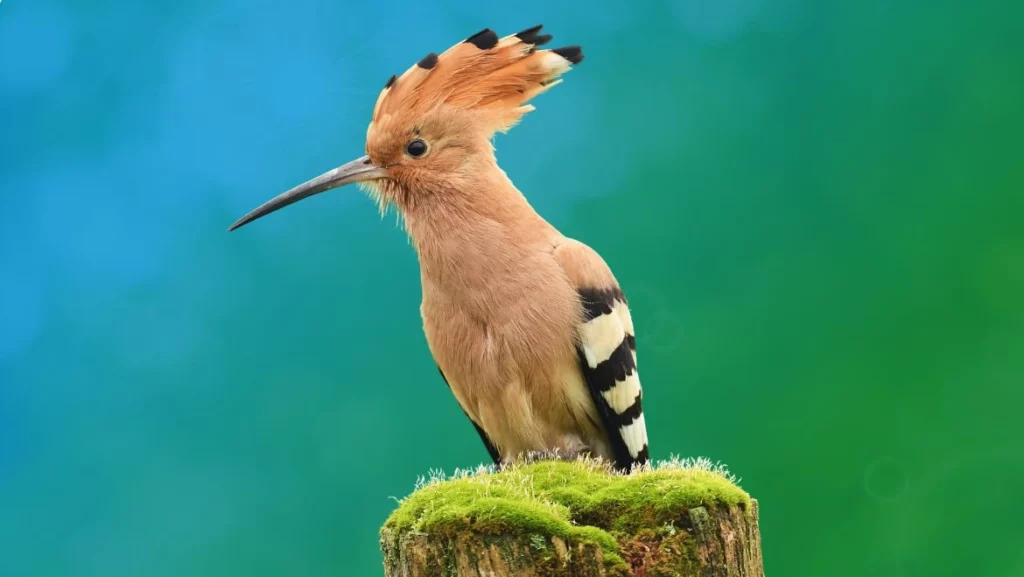
The hoopoe is one of the few birds to appear as a genuine messenger across several traditions — it is named in the Qur’an as the bird who carries word between Solomon and the Queen of Sheba, and it moves through Egyptian and wider Near Eastern imagery as a creature tied to the sacred. But its real habit is what makes the symbolism precise: the hoopoe feeds by probing the soil with its long bill, digging out what is hidden beneath the surface. The hoopoe spirit animal is therefore not a messenger of vague inspiration but of excavated truth — wisdom you have to dig for, in yourself and in a situation. It arrives for people who suspect there is something under the surface they have been avoiding turning over. Its shadow is the crown: the hoopoe raises a spectacular crest, and its distortion is display without substance, wearing the appearance of wisdom rather than doing the digging.
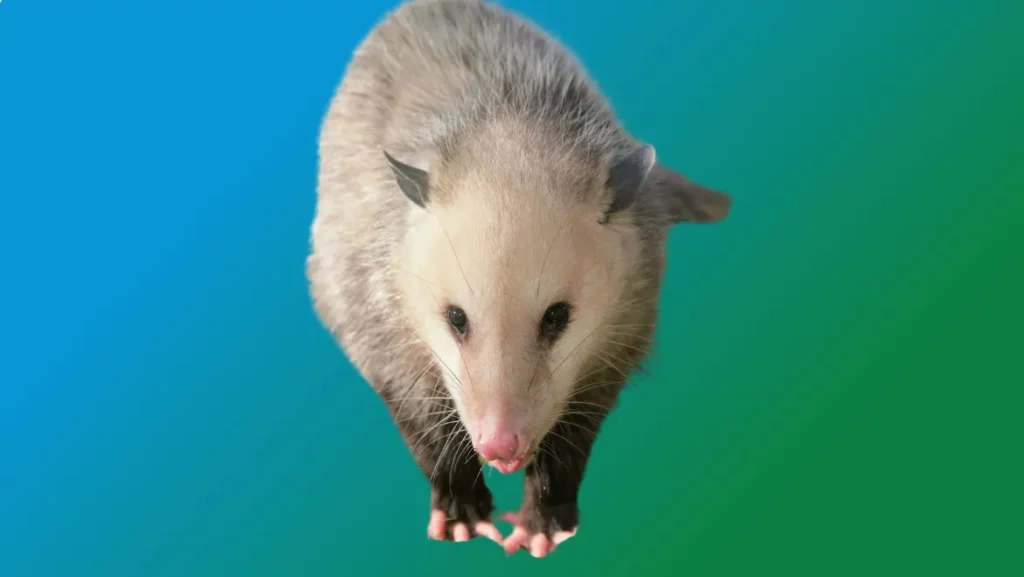
The Possum Spirit Animal: The Strategy of Playing Dead
The possum’s famous trick — going limp, still, apparently lifeless when threatened — is not cowardice and it is not even a choice. It is an involuntary response that works precisely because a predator loses interest in prey that will not run. The possum spirit animal carries the medicine of strategic surrender: the wisdom that sometimes the strongest move is no move at all, that not every threat must be met head-on, and that appearing to withdraw can be a way of surviving to act another day. It tends to arrive for people who exhaust themselves fighting battles they cannot win by force. Its shadow is obvious once named: playing dead as a permanent way of life — going numb, disappearing, feigning that you have no needs, until the survival tactic has quietly become the whole personality.
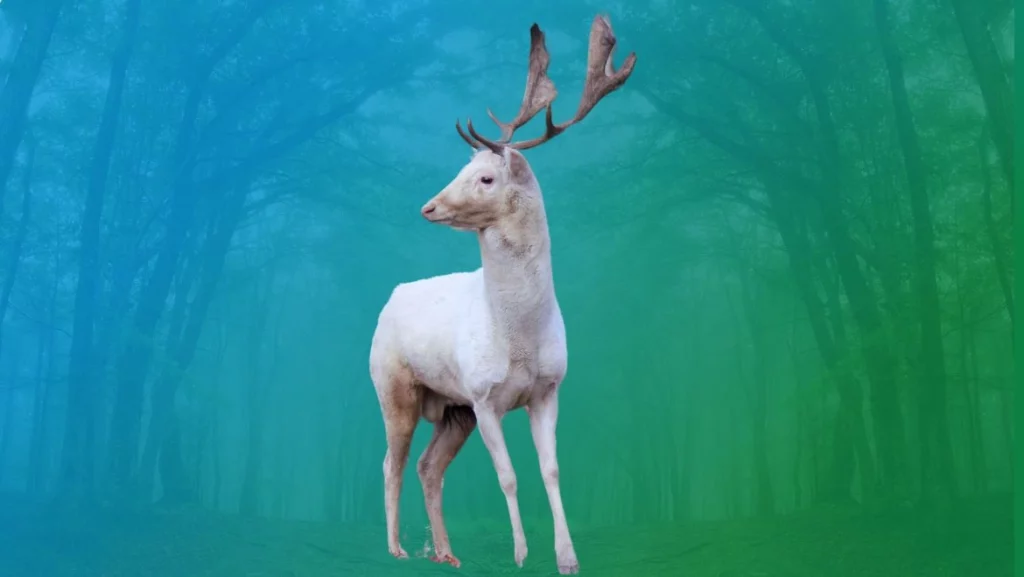
The White Stag Spirit Animal: The Guide You Cannot Catch
The white stag is the rarest of these guides and the most mythically loaded. Across Celtic and medieval European legend it appears at the edge of the forest and leads the hunter deeper and deeper into unknown country — and it is never actually caught. That is the entire point. The white stag spirit animal is not a prize to be seized; it is a summons into transformation. It marks the threshold of the otherworld and asks you to follow something you cannot possess, only be changed by. It arrives at genuine turning points — the ones where the old life is ending and the new one is not yet visible. Its shadow is the endless chase: mistaking the pursuit itself for the meaning, forever following a vision without ever letting it change you. If the white stag has appeared, the question is not “how do I catch it?” but “where is it leading me, and am I willing to go?”
The Shared Shadow of the Unusual Guide
These five animals carry different medicines, but they share one shadow, and it belongs to the person who receives them rather than to the animals themselves: disappointment. The most common reaction I meet when an unusual guide arrives is a quiet deflation — the sense of having been given a lesser gift. That reaction is worth sitting with, because it usually mirrors exactly how you treat the unglamorous parts of your own life: the patient work, the endurance, the strategic retreat, the slow conservation of energy. If you feel let down by a plain animal, the animal has already shown you something — that you have been measuring worth by spectacle. Guides tend to arrive as the teacher you need, not the one you would have chosen for the photograph.
A Practice: Meeting the Guide You Did Not Choose
Shamanic work is not a substitute for medical or psychological care. If you are new to journeying, begin with the step-by-step guide to finding your spirit animal. This short practice is specifically for working with an animal you were tempted to dismiss.
- Name the disappointment first. Before you begin, say it honestly: “The animal that came felt like too little because …” Whatever fills that gap is often the real work.
- Settle and descend. Lie down somewhere undisturbed, let a steady drumbeat carry you, and travel down through a real opening in the earth until the ground opens out.
- Invite the overlooked one. Do not ask for an impressive guide. Ask specifically to meet the animal you were quick to dismiss, and wait for it to approach in its own time.
- Watch what it does, not what it is. The sloth’s stillness, the yak’s steady haul, the hoopoe’s digging, the possum’s freeze, the stag’s leading — the behaviour is the message. Follow it rather than interrogating it.
- Ask one question: “What in my life have I been dismissing that you have come to defend?” Then stay quiet and receive.
- Return and honour it in one small act. Within the week, do one deliberate thing that respects the medicine — rest without guilt, set a load down, dig up a truth, retreat from a pointless fight, or take one step toward the change you have been circling.
Unusual Spirit Animals: Questions People Actually Ask
What does it mean if my spirit animal is a strange or unimpressive one?
It usually means the medicine you need is not a flashy one. Unusual guides arrive carrying only their genuine gift, with no reputation to hide behind — which forces you to value the quality itself: patience, endurance, discernment, strategic retreat. If you feel disappointed by your animal, that reaction is often the first thing it came to work on.
Can an unusual spirit animal be as powerful as a wolf or eagle?
Yes — often more so, precisely because it is harder to romanticise. A possum’s strategic surrender or a sloth’s radical efficiency can be exactly the correction an over-forcing person needs. Power in this work is measured by how accurately the animal meets your actual situation, not by how impressive it looks.
What does it mean when a white stag appears?
The white stag almost always marks a threshold — a genuine turning point where an old chapter is ending. In legend it is never caught; it leads the follower into unknown country and change. If it has appeared for you, it is less a prize to seize than an invitation to follow something you cannot possess, only be transformed by.
How do I know which unusual animal is really my guide?
Look for repetition and for a physical response — the image returns uninvited, and something in you reacts when it does. To test the connection deliberately, work through the A–Z spirit animal guide or sit with the Path of the Paws oracle deck and let the animal find you rather than choosing the one you like best.
Whichever of these strange guides has been walking with you, treat its plainness as the invitation. The sloth, the yak, the hoopoe, the possum and the white stag are patient teachers — and when you are ready to go deeper, the four-week spirit animal course teaches the journeying method in full.